

A Summer Watering Guide For Plants
Hot summer weather puts real pressure on garden plants, and it often shows up when you least expect it. One week, everything looks healthy, and the next you notice wilting leaves, faded blooms, or plants that never quite recover, even though you’re watering regularly.
That uncertainty can be frustrating. You may wonder if you’re watering too much or too little, if the heat is to blame, or if something more profound is happening beneath the soil. Without a clear approach, it’s easy to fall into reactive watering that adds stress instead of solving the problem.
A straightforward summer watering strategy brings clarity back to the process. With the right timing, depth, and consistency, you can support plant health through heat, reduce avoidable stress, and keep your garden performing well throughout the season.
This summer watering guide for plants covers principles of garden maintenance and long-term care. Proper watering is one of the most effective forms of maintenance, but it also reveals when deeper garden issues may need attention beyond irrigation alone.
Below, you’ll find practical guidance you can apply immediately, along with signs that watering may not be the only factor affecting plant performance.
How Often Should You Water Garden Plants in Summer (A Simple Baseline)
There is no universal schedule that works for every garden, but a baseline helps create consistency.
In most summer conditions, established garden plants benefit from deep watering once or twice a week, rather than light daily watering. This approach encourages roots to grow downward, where soil stays cooler, and moisture lasts longer.
Several factors influence frequency:
- Soil type (sandy soils dry faster than loam or clay)
- Sun exposure
- Plant maturity
- Recent rainfall
- Mulch coverage
If the top few inches of soil dry quickly, but moisture remains deeper below, your watering schedule is likely on track. If the soil dries out entirely within a day or two, you may need to adjust the timing or depth rather than just the frequency.
The Best Time of Day to Water Plants in Summer
Timing matters as much as quantity.
The best time of day to water plants in summer is early morning, ideally before the temperature rises. Morning watering allows moisture to soak into the soil, reduces evaporation, and gives foliage time to dry.
Watering during the middle of the day leads to significant water loss through evaporation. Evening watering can leave leaves damp overnight, increasing the risk of fungal disease.
Morning irrigation supports:
- Better moisture absorption
- Healthier root systems
- Reduced disease pressure
- More efficient water use
When possible, aim for consistency. Plants respond best to predictable watering patterns rather than irregular or reactive schedules.
How to Water Deeply: What “Deep Watering” Means in Practice
Deep watering does not mean flooding the surface. It means delivering enough water to reach the root zone.
To water deeply:
- Apply water slowly so it penetrates the soil rather than running off
- Focus on the base of plants instead of foliage
- Allow moisture to soak 6–8 inches below the surface for most perennials and shrubs
Soaker hoses and drip irrigation systems make deep watering easier and more efficient. Hand watering is adequate when done slowly and intentionally.
Shallow, frequent watering encourages roots to remain near the surface, where heat and dryness can cause stress. Deep watering supports stronger, more resilient plants throughout the summer.
How to Tell If Plants Need Water (Signals to Watch For)
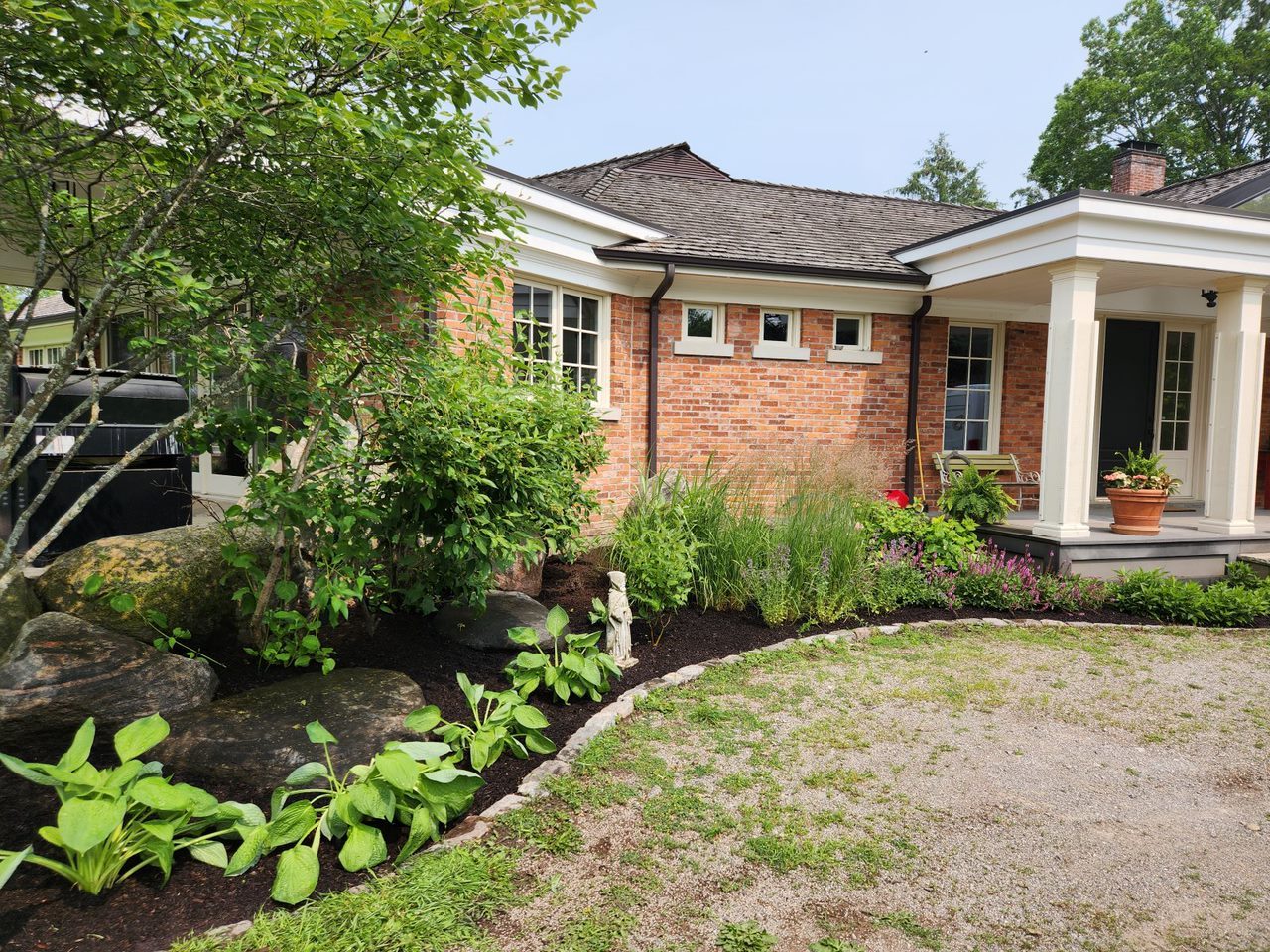
Wilting is not the only sign of dehydration, and it does not always mean a plant needs water immediately.
Standard signals that plants need water include:
- Leaves losing firmness or curling at the edges
- Dull or faded leaf colour
- Dry, cracked soil near the root zone
- Flowers are dropping earlier than expected
- Slow growth during peak growing periods
Before watering, check soil moisture a few inches below the surface. If the soil feels cool and slightly damp, the plant may be experiencing heat stress rather than proper dehydration. Overwatering can cause as much damage as underwatering.
Learning these signals helps you respond accurately, rather than reacting too quickly.
How to Keep Soil Moist in Summer Garden Beds
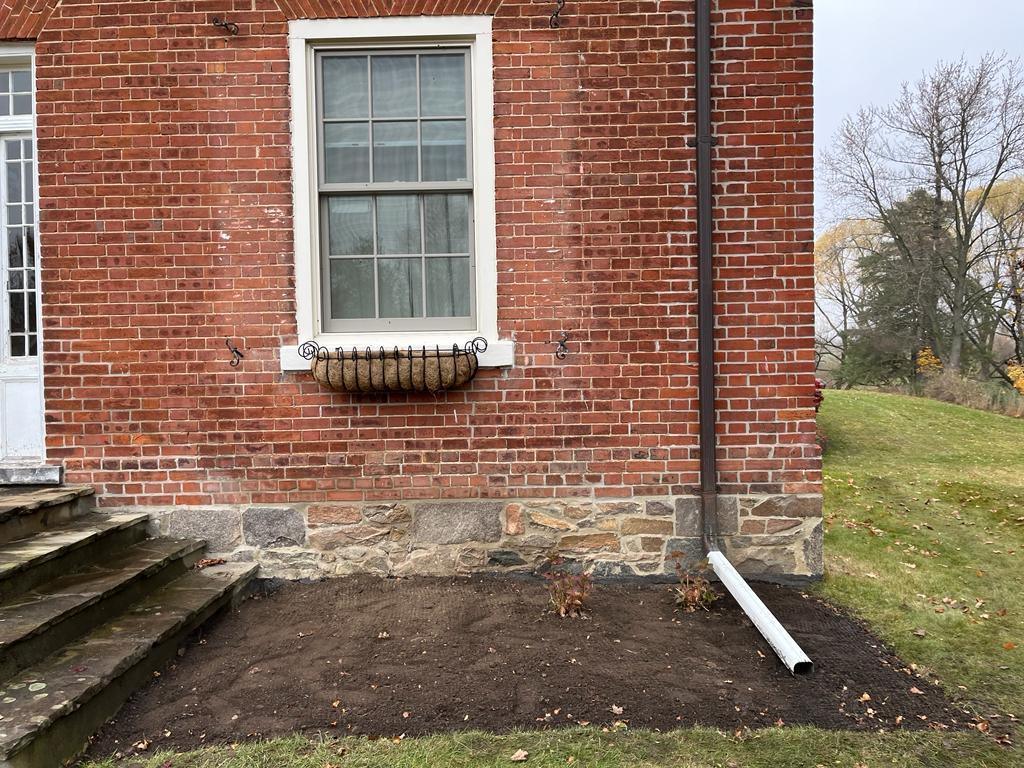
Moisture retention is as necessary as watering frequency.
One of the most effective strategies is mulching. Organic mulch helps soil retain moisture, moderates temperature, and reduces evaporation.
To keep soil moist:
- Apply 2–3 inches of organic mulch around plants
- Keep mulch slightly away from stems and trunks
- Maintain even coverage across garden beds
- Refresh mulch as it breaks down
Healthy soil structure also improves moisture retention. Soils rich in organic matter absorb and hold water more effectively, reducing the frequency of irrigation needed.
Grouping plants with similar water needs also improves efficiency and prevents overwatering in mixed beds.
Summer Watering Tips for New Plants and Recent Planting
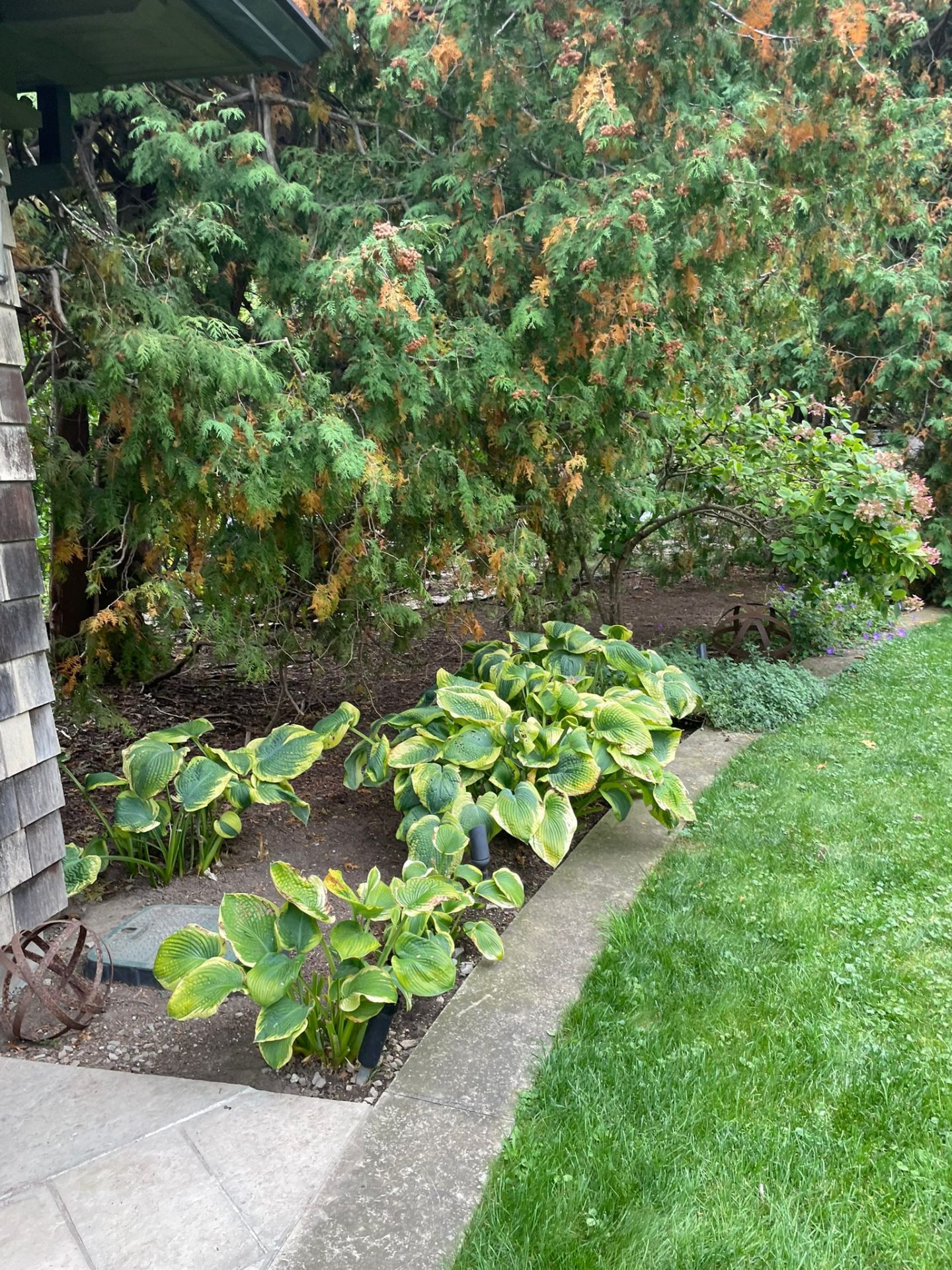
Newly planted trees, shrubs, and perennials require different care than established plants.
During the first growing season:
- Water more frequently but still deeply
- Monitor soil moisture closely
- Avoid letting root balls dry out completely
- Adjust schedules during heat waves
New plants often struggle not only because of heat alone, but also because their roots have not yet spread into the surrounding soil. Consistent moisture supports establishment and reduces transplant shock.
Once plants settle in, you can gradually shift to a less frequent, deeper watering routine.
Container and Seasonal Planters: Keeping Moisture Consistent
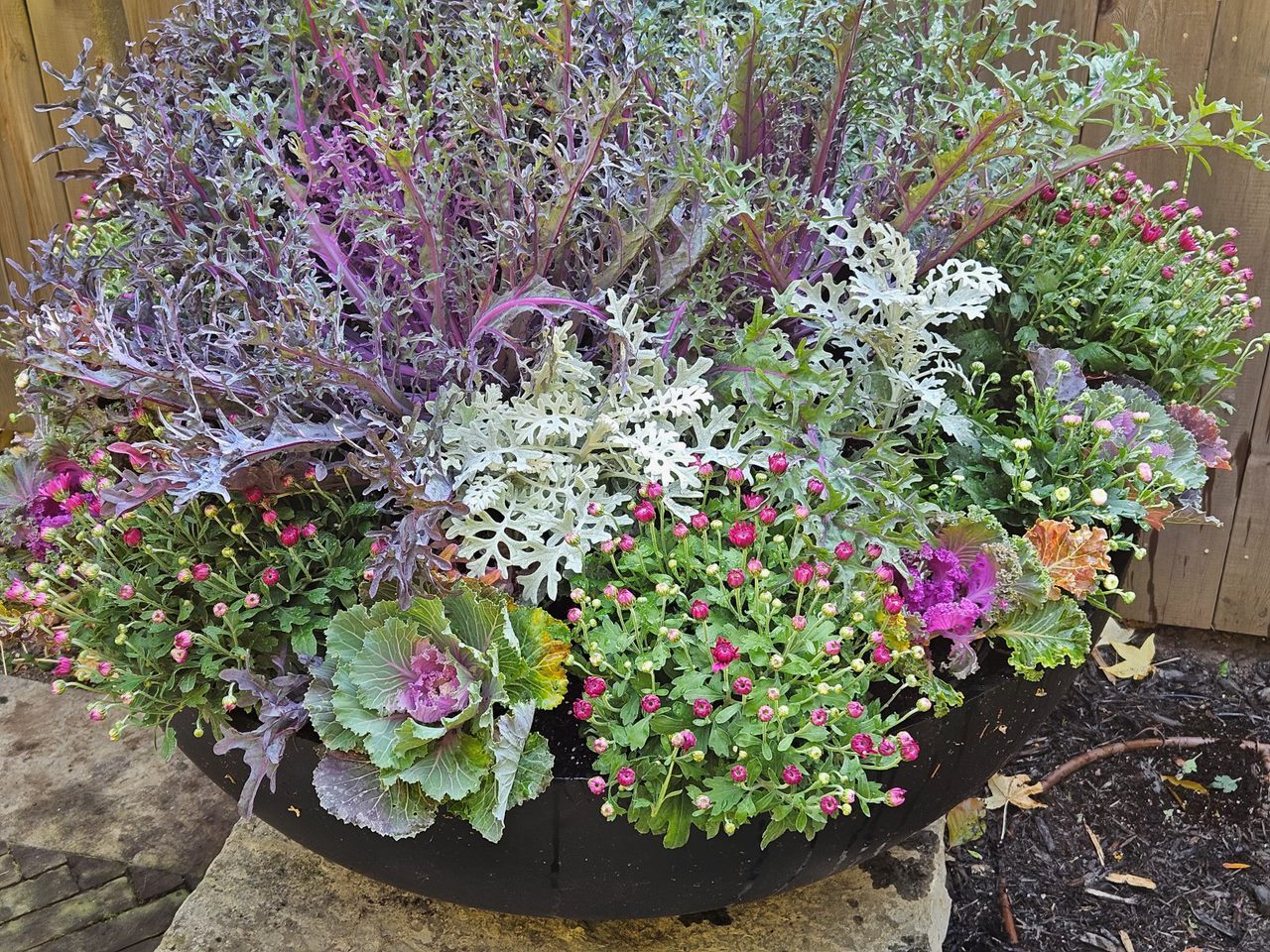
Containers dry out faster than in-ground plantings, especially in full sun or windy locations.
To keep moisture consistent in planters:
- Water thoroughly until the water drains from the bottom
- Check moisture daily during hot weather
- Use a high-quality potting mix designed for containers
- Apply mulch to the soil surface where possible
- Choose container sizes appropriate for plant growth
Grouping containers also reduces moisture loss by creating shade and limiting exposure to the elements. Seasonal planters benefit from regular attention, but consistent habits prevent stress and extend plant performance through the summer.
Watering Mistakes That Stress Plants (And What to Do Instead)
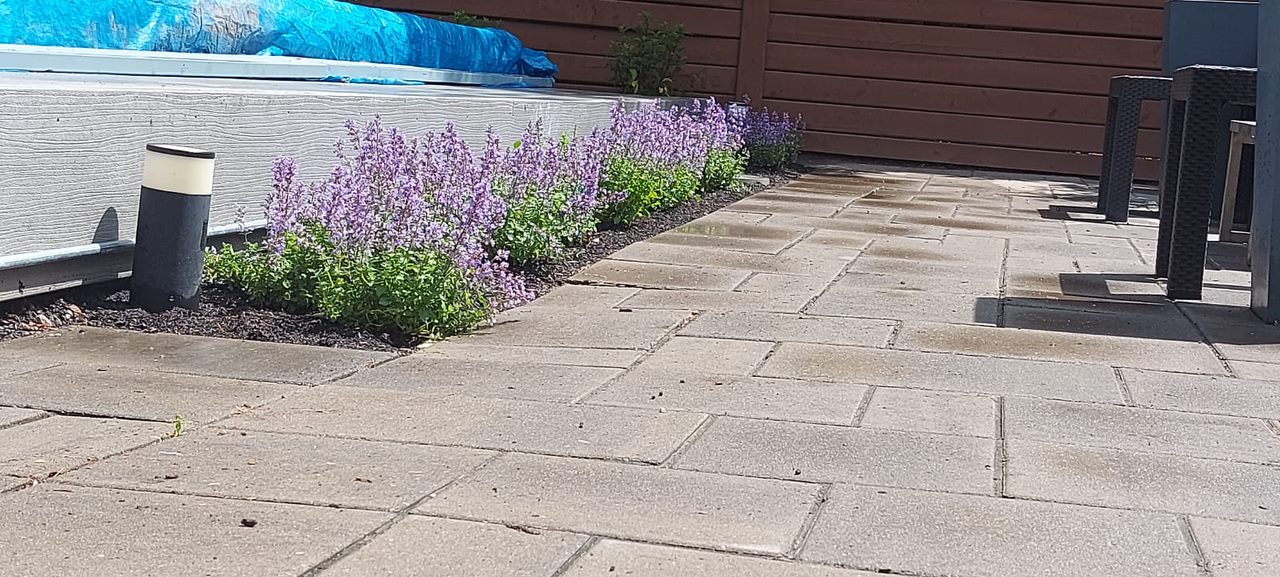
Many summer watering issues come from good intentions applied inconsistently.
Common mistakes include:
- Watering lightly every day
- Watering at night
- Spraying foliage instead of soil
- Ignoring soil type and drainage
- Reacting to wilt without checking moisture
Instead:
- Water deeply and less often
- Focus irrigation on the root zone
- Adjust schedules based on the weather
- Observe plants and soil together
Correcting these habits improves results without increasing water use or effort.
A Quick Summer Watering Checklist You Can Follow Weekly
Use this checklist to stay consistent during the hottest months:
- Check soil moisture below the surface before watering
- Water early in the morning
- Apply water slowly and deeply
- Refresh mulch where needed
- Monitor new plants more closely
- Adjust for rainfall and heat spikes
- Watch for recurring stress patterns
Consistency matters more than perfection. Minor adjustments make a noticeable difference over time.
When Watering Isn’t the Whole Issue
Sometimes, even good watering habits fail to produce healthy results.
If plants continue to struggle despite consistent care, the issue may involve:
- Compacted or depleted soil
- Poor drainage
- Overcrowded beds
- Inefficient garden layout
- Plants unsuited to the site
These are not watering problems alone. They often signal deeper structural issues within the garden bed.
In scenarios like these, the broader decision-making framework, as outlined in our ‘Garden Maintenance vs. Renovation’ guide, becomes essential. When maintenance no longer delivers improvement, targeted renovation may be the more effective path forward.
Need Help Getting Summer Watering Right?
If summer watering feels inconsistent or yields subpar results, we can help. At Yorkshire Garden Services, we work closely with homeowners to assess plant health, soil conditions, and garden structure, ensuring that watering efforts support long-term plant health and performance.
During a garden walk-through, we assess how your beds drain, how plants are established, and whether maintenance alone is sufficient or if greater improvements would make watering more effective. From there, we recommend the right level of care to keep your garden healthy through summer and beyond.
If you would like clear, tailored guidance for your garden, contact Yorkshire Garden Services to schedule a consultation and eliminate the guesswork from seasonal care.
Summary
A thoughtful summer watering routine protects plant health, supports long-term garden performance, and prevents unnecessary stress during the hottest months. When combined with proper soil management, plant selection, and seasonal care, watering becomes a powerful maintenance tool rather than a constant concern.
If you notice recurring issues that watering alone does not resolve, a professional assessment can help identify what your garden truly needs next.
Tags: