

Garden Renovation vs. Maintenance: What Your Garden Needs and When
Is your garden starting to look tired, overgrown, or out of balance, even though you keep trimming, watering, and weeding? That frustration is common. You put in the effort, yet the space still feels chaotic, plants struggle to thrive, and problem areas keep returning.
When that happens, it can be hard to know what will actually make a difference. In some cases, consistent professional maintenance is sufficient to restore a garden to its original shape. In others, more significant changes to the layout, planting, or soil are required to achieve lasting improvement.
This guide walks you through what professional garden maintenance typically includes, how to recognize signs that indicate the need for renovation, and when a one-time cleanup may be sufficient to get things back on track.
What Is the Difference Between Garden Renovation and Maintenance?
Choosing between garden renovation and maintenance ultimately comes down to your garden’s current condition and what you want to achieve with the space. Both play an essential role, but renovation and maintenance serve very different purposes.
Garden renovation involves making meaningful changes to improve or reset a garden. Changes can include redesigning garden beds, replacing or adding plants, improving soil conditions, or addressing long-standing problem areas. Renovation is typically a focused project meant to restore structure, balance, and long-term health to a space that no longer performs or looks the way you want it to.
If your garden has ongoing issues such as overcrowded planting, poor soil, or a layout you no longer enjoy, renovation creates an opportunity to correct those problems and start fresh with a more intentional design.
Garden maintenance, on the other hand, refers to the ongoing care that keeps an existing garden healthy and tidy. This care includes tasks like weeding, pruning, watering, fertilizing, mulching, and seasonal cleanups. Maintenance is preventative and continuous, helping plants thrive and stopping minor issues from becoming larger ones.
A helpful way to think about it is that renovation changes the structure of the garden, while maintenance preserves and supports what is already there. Renovation addresses the bigger picture, while maintenance protects that investment over time.
In many cases, the two work together. Consistent maintenance is often necessary to keep a garden looking its best after a renovation. And if you have been maintaining your garden regularly but still feel dissatisfied with the results, that may be a sign that renovation is the next step.
What Does Professional Garden Maintenance Include?
If you hire professionals like Yorkshire Garden Services for ongoing garden care, it’s reasonable to wonder what that service actually covers. In most cases, professional garden maintenance focuses on keeping your garden healthy, tidy, and performing well throughout the growing season.
Services are tailored to each property, but commonly include:
- Plant and bed care: Regular weeding to remove invasive growth, cultivating soil, and adding compost or fertilizer to support healthy plant development.
- Pruning and trimming: Cutting back perennials, trimming shrubs and hedges, and deadheading flowers to encourage new growth and maintain shape.
- Mulching: Applying fresh mulch to garden beds helps conserve moisture, suppresses weeds, and gives the garden a clean, finished appearance.
- Seasonal garden tasks: Spring and fall cleanups, such as clearing debris, preparing beds for the growing season, protecting plants for winter, dividing overcrowded perennials, and planting bulbs in the fall.
- General garden upkeep: Removing fallen branches and debris, keeping pathways clear, and ensuring not to neglect any area of the garden.
Professional maintenance is flexible and responsive. An assessment will be conducted, and then a schedule will be created based on your garden’s needs and your expectations. With consistent care in place, minor issues are addressed early, helping the garden stay balanced and reducing the likelihood of larger problems developing later.
How Do You Know If You Need Garden Renovation?
Specific signs can indicate that your garden would benefit from renovation rather than continued upkeep. These signals often point to deeper issues with layout, plant selection, or long-term performance.
Persistent Overgrowth or Disorder
If your garden consistently looks overgrown or unbalanced despite regular pruning and weeding, the underlying structure may no longer be functioning correctly. Shrubs may have outgrown their space, or self-seeding plants may be overwhelming the design. In these cases, renovation can restore clarity and order.
Declining Plant Performance
When multiple plants consistently struggle year after year, exhibiting poor growth or limited flowering despite proper care, the issue may extend beyond routine maintenance. Soil quality, overcrowding, drainage, or plant selection need to be addressed through renovation to support healthier growth in the future.
A Garden That No Longer Fits Your Lifestyle
Sometimes the garden itself is the issue, not how it’s maintained. You may have inherited a layout that doesn’t suit your needs, or a design you once loved may now feel impractical or uninspiring. Renovation allows you to reshape the space so it better reflects how you use and enjoy your property.
Ongoing Maintenance That Feels Excessive
If keeping the garden in check requires constant heavy effort, the design may be working against you. Aggressive plants, inefficient layouts, or poor plant placement can increase maintenance demands. Renovating with long-term balance in mind can make care more manageable over time.
Recognizing these patterns early can help you make more informed decisions about your garden. If several of these issues are present and consistent care is not delivering the desired results, a renovation may be the most effective way forward. A professional walk-through can help identify what changes will have the most significant impact.
When Should You Renovate a Garden Bed?
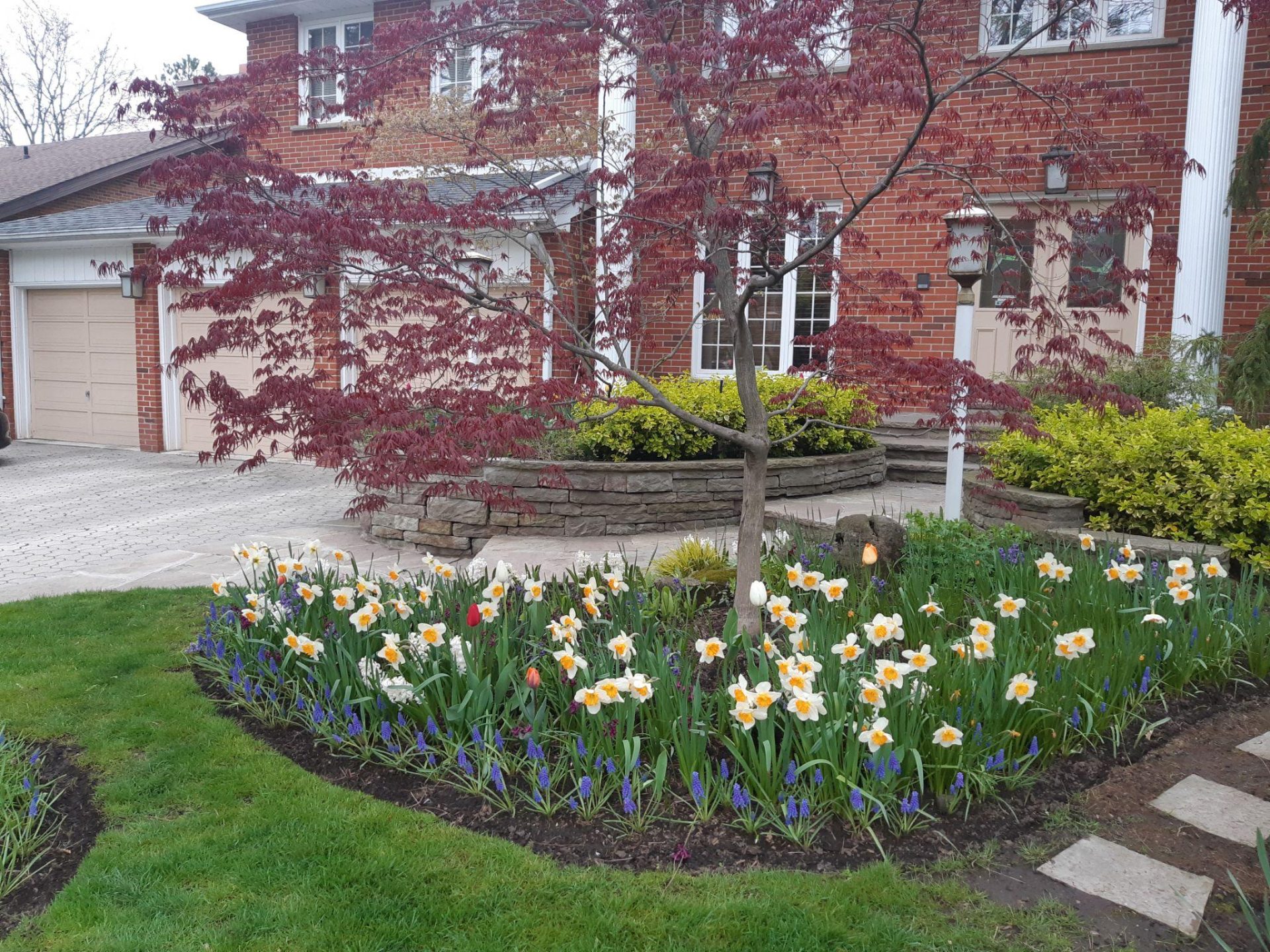
Not every garden bed needs a complete overhaul, but there are situations where renovation is the most effective way to improve long-term results.
Renovation is often well-timed in spring or fall, when soil conditions support healthy establishment, and plants are better able to adapt. These seasons allow changes to settle in with less stress on new or existing plantings.
A garden bed may benefit from renovation if:
- Soil quality has declined, leading to weak or inconsistent plant growth
- Weeds or overcrowding persist despite regular care
- The design feels dated, cluttered, or no longer suits the space
- Plant choices require more upkeep than you want to manage
In these cases, renovation enables you to rebalance the garden through improved soil conditions, more suitable plant selection, and a more intentional layout.
On the other hand, renovation may not be necessary when a bed is generally healthy and only needs seasonal cleanup, fresh mulch, or minor adjustments. Beds that are thriving but slightly untidy can often be restored through consistent maintenance rather than redesign.
One key factor is planning. Successful renovation works best when there is a clear vision for how the space should look and function afterward. Whether changes are focused on a single bed or spread across multiple areas, a professional assessment can help determine the proper scope and timing of the changes.
In many gardens, renovation and maintenance are not opposing choices. Renovation sets the foundation, while ongoing care protects and supports that investment over time.
Garden Bed Renovation Checklist
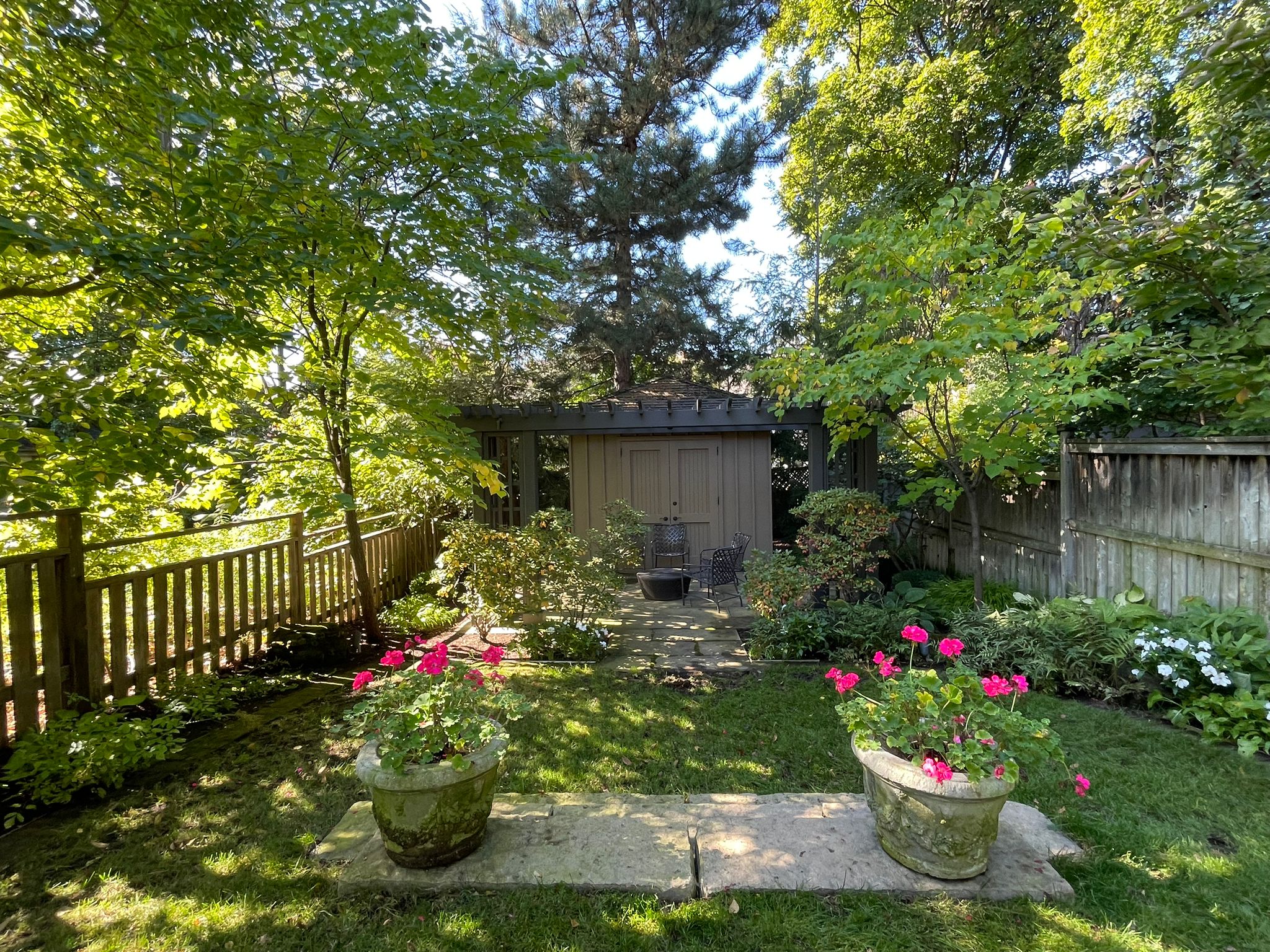
A garden bed renovation checklist helps clarify what typically goes into restoring a bed that no longer performs well. While every garden is different, professional renovations often focus on a consistent set of priorities rather than rigid steps.
A typical garden bed renovation checklist includes:
- Assessing plant health, spacing, and long-term suitability
- Evaluating soil condition, drainage, and compaction
- Removing or reducing overcrowded or underperforming plants
- Improving soil structure to support healthier growth
- Reworking bed edges and layout to restore definition
- Selecting plants that suit the site conditions and desired upkeep level
Rather than following a one-size-fits-all process, professionals at Yorkshire Gardens tailor this checklist to the garden’s condition and your specific goals for the space. A walk-through allows them to identify which elements matter most and create a renovation plan that improves performance while supporting easier maintenance going forward.
How Do Spring and Fall Cleanups Support Long-Term Garden Health?
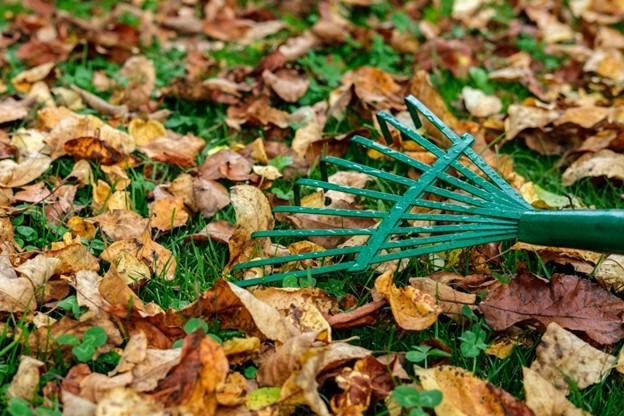
Seasonal cleanups play a crucial role in maintaining a healthy and resilient garden. In the spring, a thorough cleanup removes winter debris, dead leaves, and frost-damaged plant material, allowing new growth to emerge unobstructed. Edging beds and pruning damaged branches also helps restore structure and highlights areas that may need further attention.
Fall cleanups prepare the garden for colder months and set the stage for strong growth in spring. Removing spent annuals, cutting back perennials, and clearing heavy leaf buildup helps prevent mould, reduces the risk of pests, and protects plant health. Adding mulch or protective coverings shields sensitive plants from winter stress, while tasks like planting bulbs or dividing perennials support future growth.
By addressing problems early, seasonal cleanups reduce long-term strain on the garden. They improve soil conditions, limit pest habitats, and help plants enter each season in a stronger position. With consistent spring and fall care, gardens stay healthier overall and are less likely to require major corrective work later.
Summer Watering: Keeping Plants Healthy Through Hot Weather
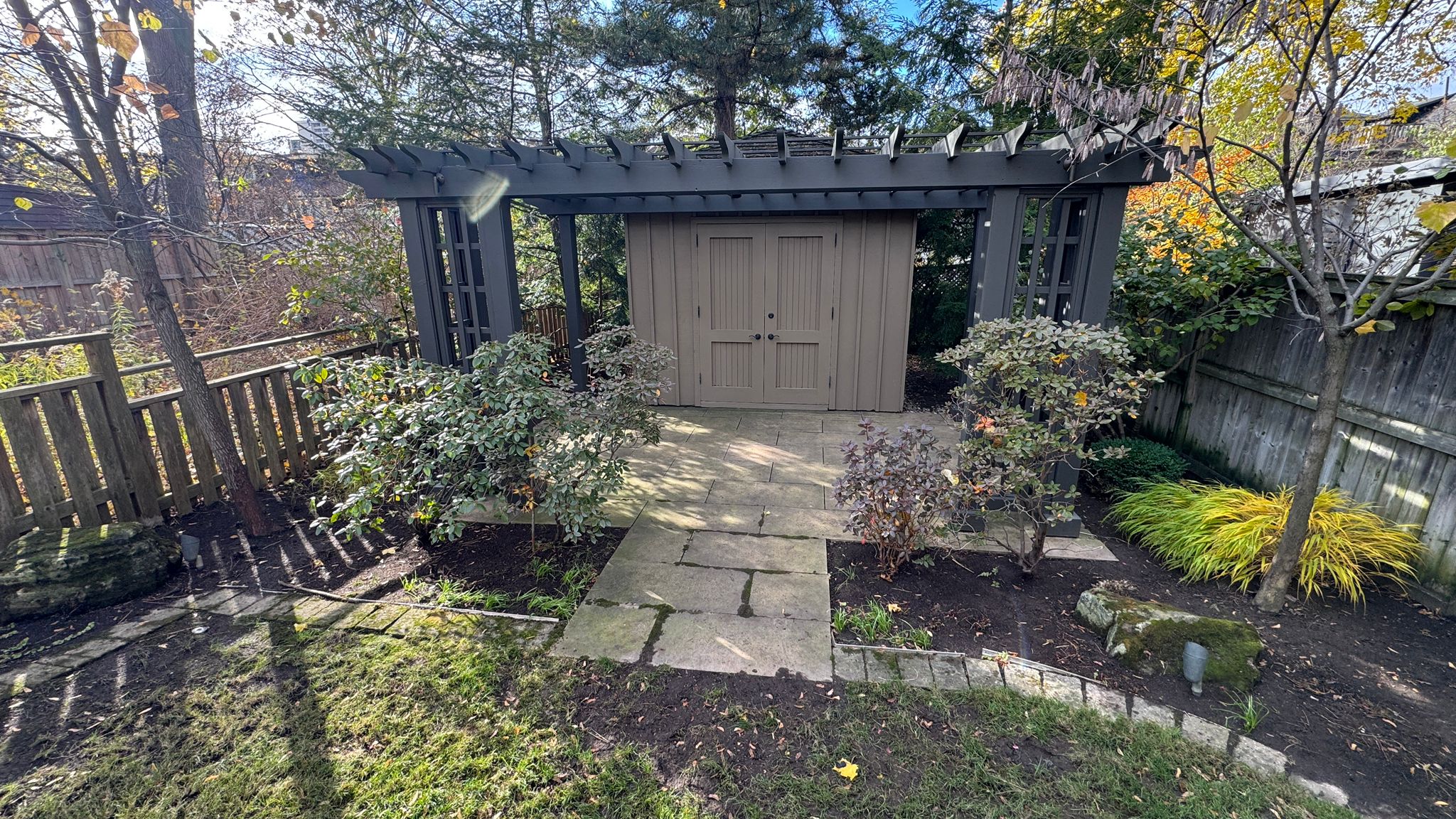
Hot Ontario summers can place real stress on gardens, especially during extended dry periods. Thoughtful watering practices help plants stay healthy and resilient.
Water deeply and less often to encourage roots to grow downward rather than staying shallow near the surface. Aim to water early in the morning, so plants have moisture before the heat of the day and leaves dry quickly, reducing the risk of disease.
Direct water toward the soil at the base of plants, rather than spraying the foliage. Soaker hoses and drip irrigation systems can deliver water efficiently, reducing waste; however, at Yorkshire Garden Services, we use misters around delicate plants to prevent leaf damage and reduce stem rot. Applying mulch around plants helps the soil retain moisture, keeps roots cooler, and limits weed growth, which reduces competition for water.
Pay attention to individual plant needs—group plants with similar water requirements so you can manage irrigation more effectively. With consistent, thoughtful watering, gardens handle summer heat better and recover more quickly from dry spells.
Where Do Seasonal Planters Fit In for Style and Easy Upkeep?
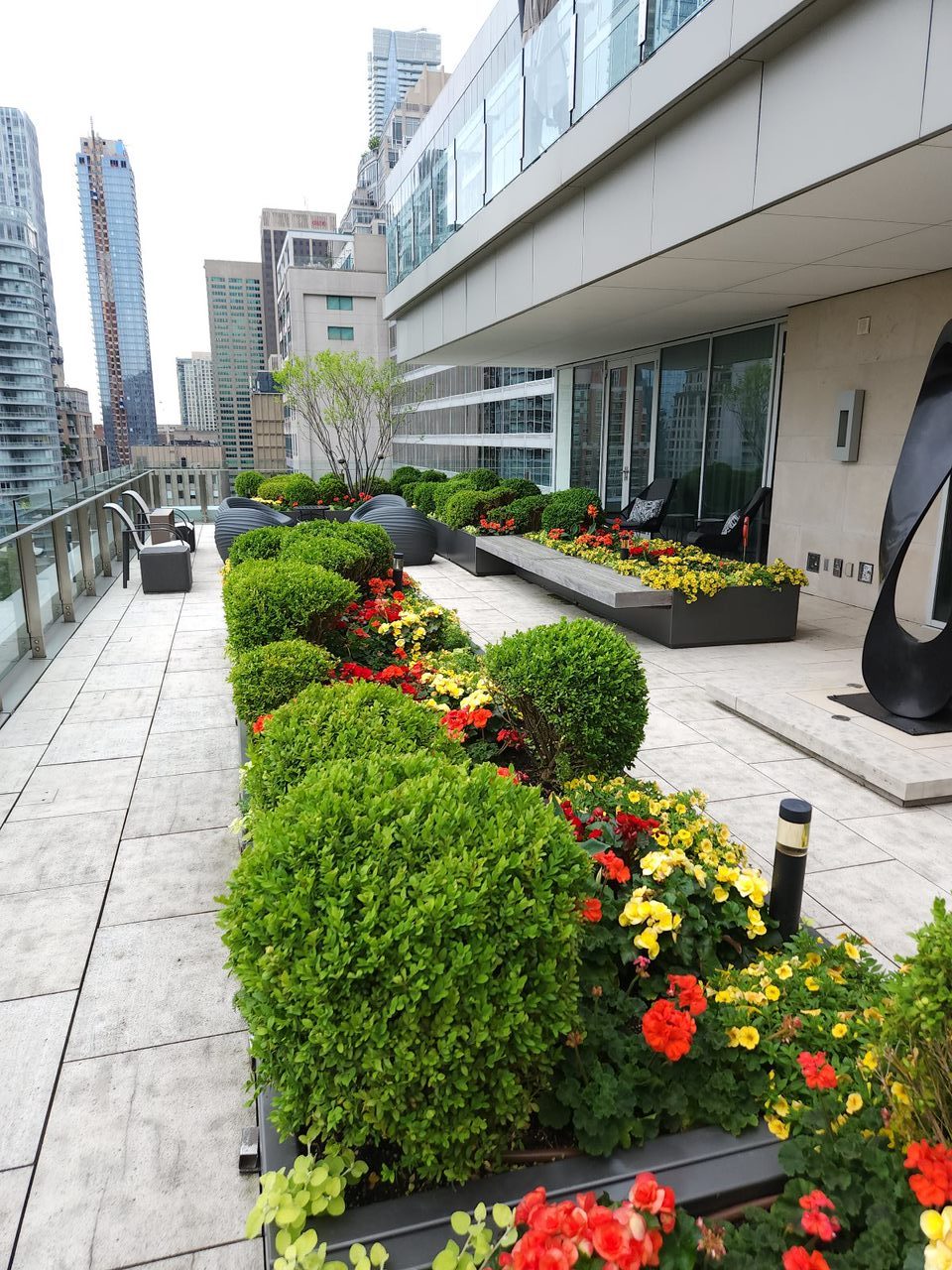
Seasonal planters offer a simple way to refresh your outdoor space without making permanent changes. They add visual interest, flexibility, and seasonal colour while keeping upkeep manageable.
A Flexible Way to Add Seasonal Colour
Planters allow you to rotate plantings throughout the year. Spring bulbs, summer annuals, fall arrangements, and winter greenery each bring a fresh look as the seasons change. This approach maintains entrances, patios, and key sightlines while keeping them looking cared for, without altering established garden beds.
High Impact With Manageable Upkeep
Caring for planters is typically more contained than maintaining large planted areas. Containers still require watering and attention, but they give you complete control over soil quality and plant selection. Seasonal refreshes also make it easy to replace tired plantings without disrupting the rest of the garden.
Solutions Where In-Ground Planting Is Limited
Planters work exceptionally well on stone patios, walkways, steps, and other hard surfaces where planting directly into the ground is not practical. They also allow you to shift arrangements for events or adjust the look of a space without committing to a redesign.
Many homeowners choose to have professionals refresh their planters seasonally, ensuring consistently beautiful results. When used thoughtfully, seasonal planters enhance curb appeal and complement a well-maintained garden without adding unnecessary complexity.
How Can You Decide Between a Cleanup, Maintenance, or Renovation?
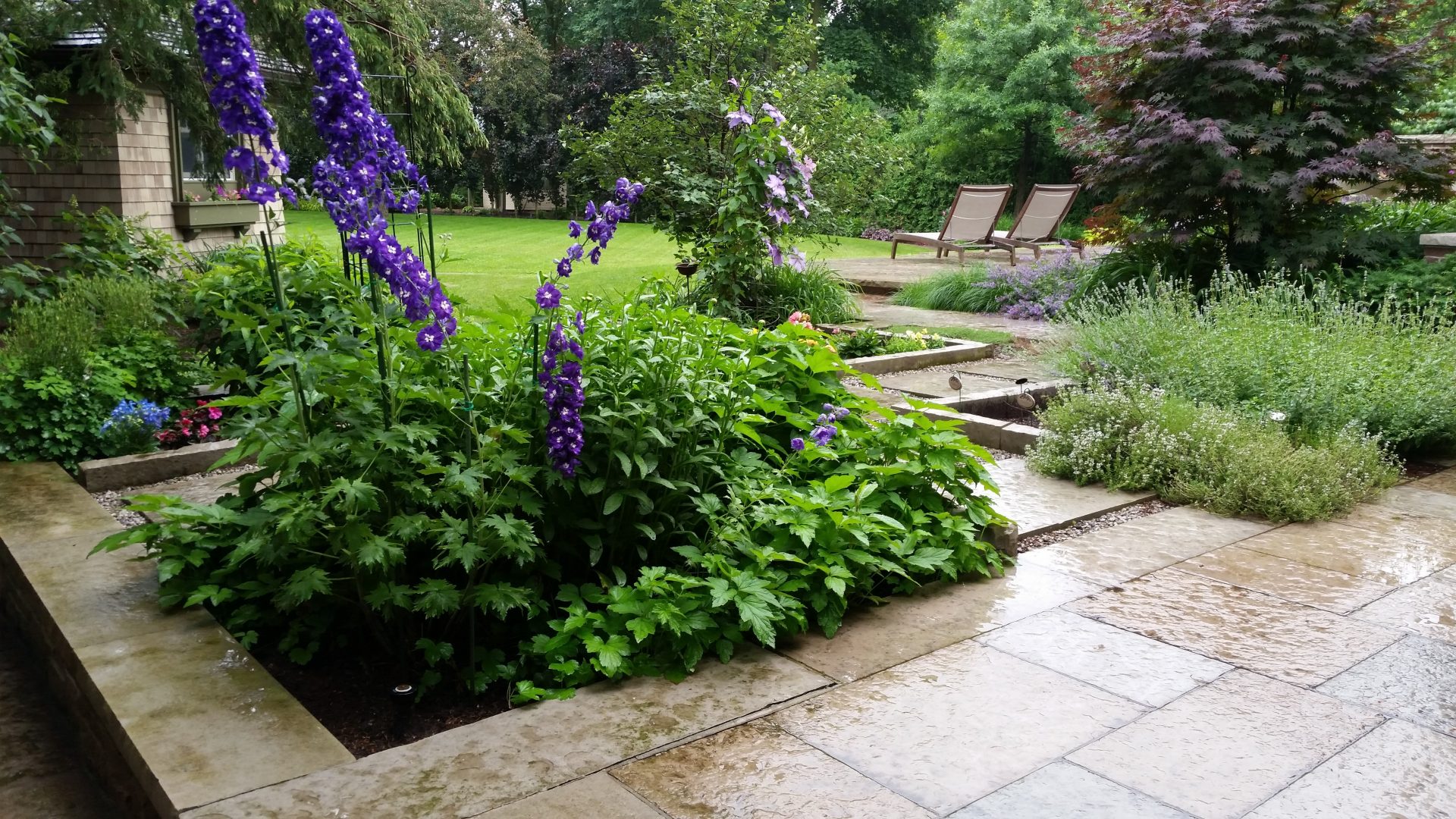
When your garden starts to fall short of expectations, the decision usually comes down to what level of care will actually improve the space. A simple framework can help clarify the next step.
Start With a Cleanup
If your garden has fallen behind, but the overall layout and plantings are still intact, a thorough cleanup may be sufficient. A cleanup focuses on removing debris, cutting back overgrowth, edging beds, and refreshing mulch. This one-time effort often restores order and reveals whether deeper issues exist beneath the surface.
A cleanup also works well as a first step when you are unsure. After clearing the garden, it becomes much easier to assess what is thriving and what is not.
Move Into Ongoing Maintenance
If the garden’s design suits you, but keeping up with regular care feels overwhelming or time-consuming, consistent professional maintenance can make a noticeable difference. Scheduled visits help maintain growth, support plant health, and prevent minor issues from escalating into major problems.
Maintenance works best when the foundation of the garden is sound, but requires steady attention to stay that way.
Plan a Renovation When Needed
If cleanup and maintenance still leave you dissatisfied, renovation may be the right move. Renovation typically applies when multiple areas need improvement, plants consistently struggle, or the garden no longer reflects how you envision using the space.
Renovation can be focused on specific areas or approached more broadly, depending on your goals. Afterward, maintenance becomes easier and more effective because the garden works with you rather than against you.
In many cases, these steps build on one another. A cleanup leads to clearer insight, targeted renovation addresses persistent problems, and ongoing maintenance protects the results over time. A professional consultation can help determine where your garden fits within this progression.
What Should You Expect From a Garden Walk-Through With a Professional?
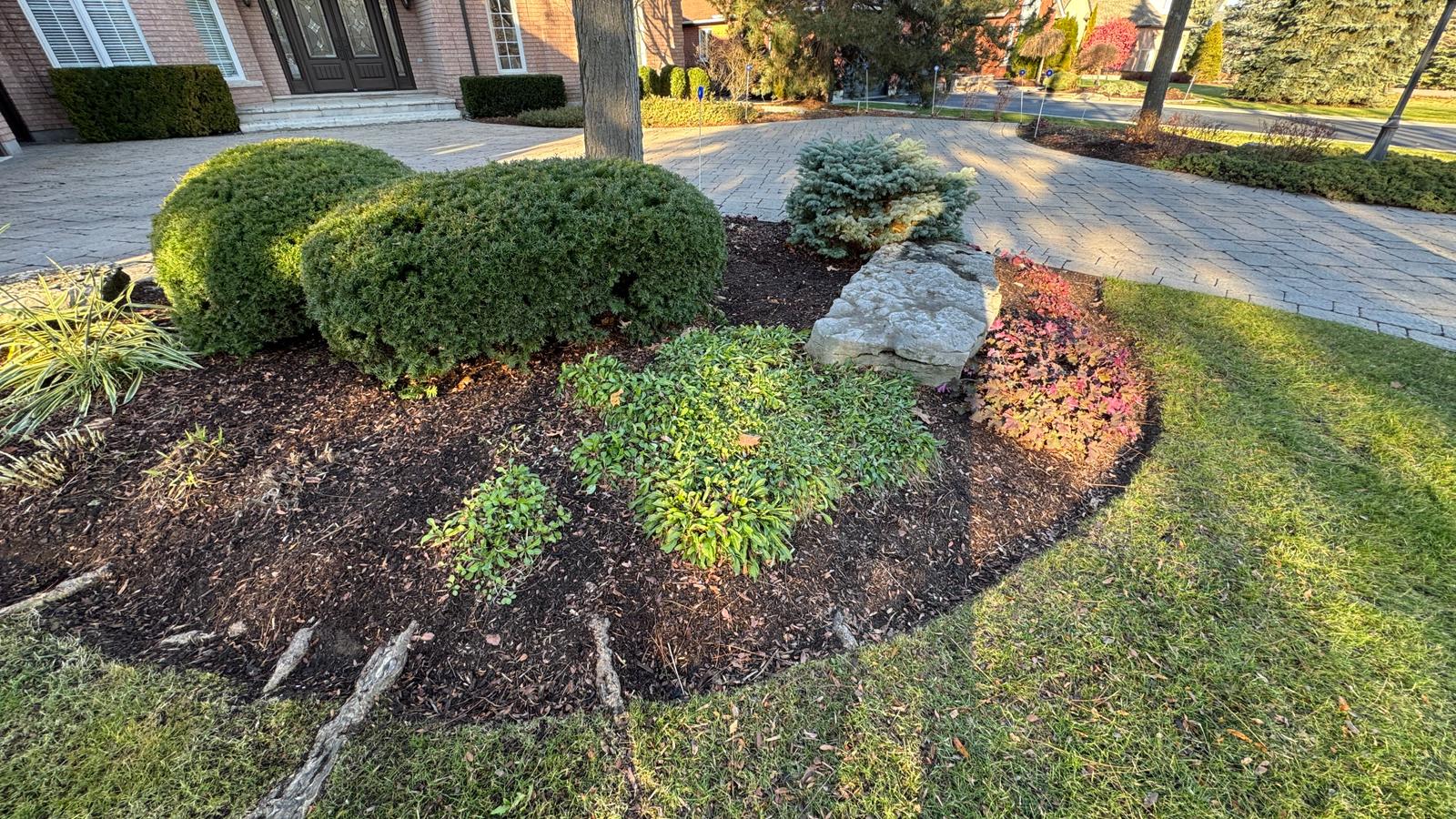
When you contact Yorkshire Garden Services or another gardening professional for advice or a quote, they will often recommend a walk-through of your garden at your home. This visit helps clarify what your garden needs and creates a clear path forward.
A well-run walk-through feels collaborative and practical. Here’s what you can expect from our own process.
A Conversation About Your Priorities
The process starts with listening. Our professionals will ask how you use your garden, what you enjoy about it, and what currently frustrates you. Frustrations include questions about seasonal colour, maintenance expectations, or areas that consistently underperform. Sharing your goals helps guide the recommendations that follow.
A Detailed Assessment of the Garden
Next, we will walk the property with you, observing plants, soil conditions, light exposure, and overall layout. We will look for signs of stress, overcrowding, drainage concerns, or plants that have outgrown their space. This assessment allows us to identify both visible issues and underlying factors that affect long-term performance.
Clear Options and Next Steps
As the walk-through continues, we will explain possible solutions. These may range from adjustments to ongoing maintenance, targeted improvements to specific beds, or more comprehensive changes where appropriate. You can ask questions about what each option entails, the level of upkeep required, and the kind of results to expect.
By the end of the visit, you should have a clear understanding of your garden’s condition and the recommended approach moving forward. A strong walk-through leaves you informed and confident, with practical options rather than pressure or uncertainty.
How Should You Prepare Your Garden for a Maintenance Visit?
Professional garden maintenance should make your life easier, but a small amount of preparation helps each visit run efficiently.
- Ensure clear access to the garden: Open any locked gates, clear pathways, and move obstacles such as children’s toys, tools, or garden furniture so the team can work without interruption.
- Safety plan: Keep pets indoors during the visit to avoid safety concerns. If some fragile plants or areas require extra care, point them out when the team arrives.
- Share relevant updates: Inform the maintenance team about recent changes, recurring problem areas, or any issues you would like them to address during the visit. Clear communication helps them deliver better results.
With these simple steps in place, the maintenance team can focus entirely on caring for your garden, keeping it tidy, healthy, and well-managed.
After a Garden Renovation: How Do You Keep Results Consistent With Maintenance?
After a garden renovation, consistent maintenance protects the results and helps the space settle in properly. New plantings often require closer attention during the first season, particularly regarding watering and timing for pruning or fertilizing. Following any plant-specific guidance helps roots establish and reduces setbacks.
Regular maintenance also keeps the design looking crisp. Defined bed edges, purposeful plant placement, and structured shrubs can lose impact when you let small tasks slide. Simple actions such as edging, pruning at the right time, and clearing debris preserve the structure and keep the garden looking intentional.
Finally, stay proactive with weeds and maintain healthy plant growth. Weeds return quickly, and pests do not wait for convenience. When you address issues early, you prevent larger problems and avoid undoing the improvements you just invested in. With steady care, your renovated garden stays healthy, tidy, and enjoyable year after year.
Why Choose Professional Garden Care for Your Home?
At Yorkshire Garden Services, we provide professional garden renovation, maintenance, and seasonal care to help you maintain a healthy, well-structured outdoor space throughout the year.
Our experienced team understands how soil conditions, plant selection, and seasonal timing work together to support long-lasting results. By combining renovation expertise with ongoing care, we help address underlying issues early and prevent minor problems from becoming larger, more costly ones.
Working with one trusted provider simplifies your garden care. We deliver a cohesive approach to maintenance, seasonal cleanups, and garden improvements, so your entire property benefits from consistent standards and reliable oversight.
We also bring an objective, professional perspective to every garden. We notice gradual changes that are easy to miss, adjust care as conditions shift, and recommend improvements that align with how you want to use and enjoy your space.
If you are looking for reliable, professional support for your garden, contact Yorkshire Garden Services to schedule a consultation. A walk-through helps clarify what your garden needs and outlines practical next steps to improve and maintain your outdoor space.
Summary
Choosing between garden renovation and maintenance comes down to what your garden needs to perform better in the long term. Maintenance supports healthy growth and keeps existing spaces tidy and balanced. Renovation reshapes areas that no longer function effectively, whether due to soil issues, poor plant selection, or inadequate layout.
Many gardens benefit from a combination of both. A cleanup or renovation can address underlying problems, while consistent maintenance protects those improvements over time. When you assess your garden honestly and match the level of care to its condition, you create a space that is easier to manage and more enjoyable to use.
If you are unsure which approach makes sense for your property, a professional walk-through can provide clarity and help you move forward with confidence.
Is your garden starting to look tired, overgrown, or out of balance, even though you keep trimming, watering, and weeding? That frustration is common. You put in the effort, yet the space still feels chaotic, plants struggle to thrive, and problem areas keep returning.
When that happens, it can be hard to know what will actually make a difference. In some cases, consistent professional maintenance is sufficient to restore a garden to its original shape. In others, more significant changes to the layout, planting, or soil are required to achieve lasting improvement.
This guide walks you through what professional garden maintenance typically includes, how to recognize signs that indicate the need for renovation, and when a one-time cleanup may be sufficient to get things back on track.
Place SEMRush Content Shake output here. then convert from Classic to Blocks.
Tags: