

8 Signs to Help You Decide if You Need a Garden Renovation vs Maintenance
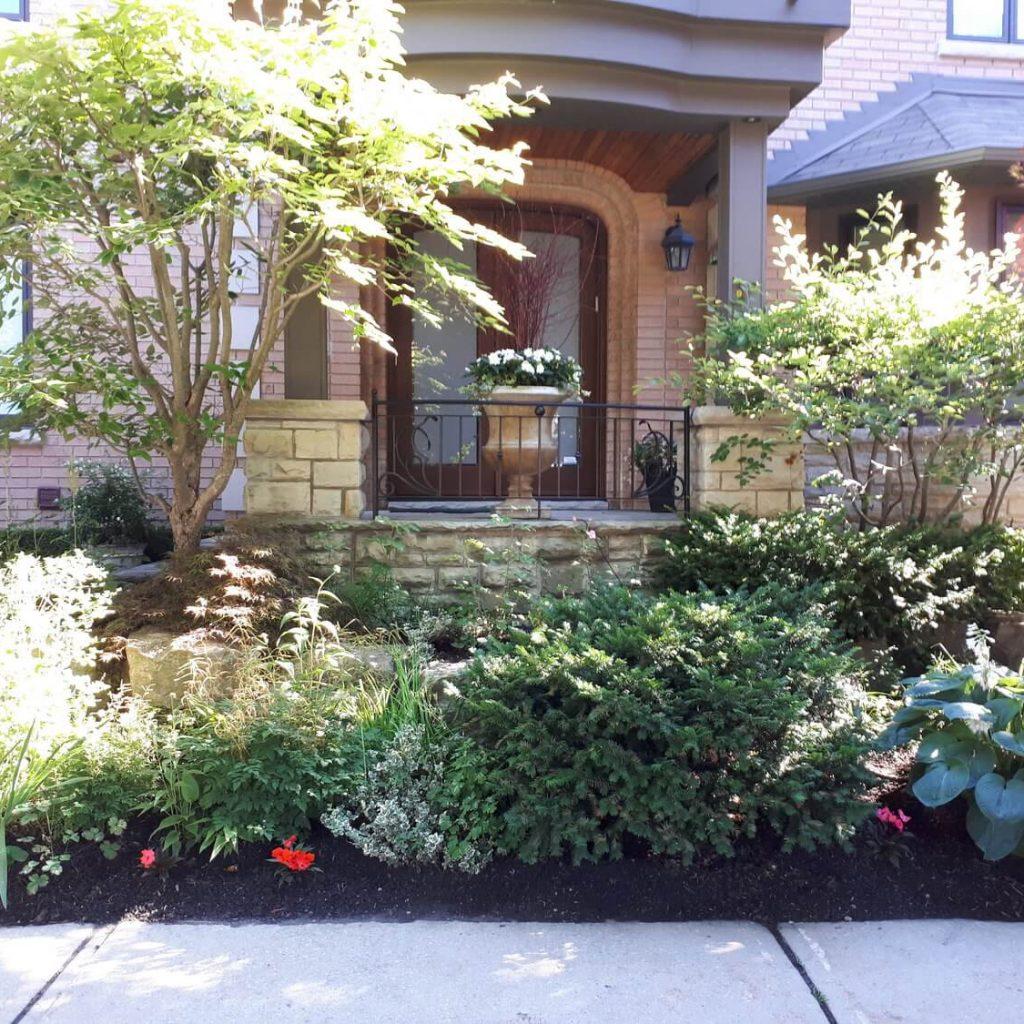
Your garden is often the first thing you notice when you step outside, yet it is easy to overlook the quiet signals it sends. You may sense that something feels off, even if you cannot immediately explain why. Beds feel untidy again soon after care. Plants do not seem as full as they once were. Cleanups feel heavier each year. These moments often lead to a common question about garden renovation vs maintenance and which path your space truly needs.
When small changes go unaddressed, frustration can grow. You might spend time tending your garden without seeing lasting results. You may wonder why weeds return so quickly, or why plants struggle despite regular care. Understanding if you need garden renovation vs maintenance helps you pause, observe patterns, and respond with intention rather than guesswork.
Here are nine clear signs that help you determine whether your garden requires consistent upkeep or a more comprehensive reset. Each sign connects back to the garden renovation vs maintenance decision path so that you can move forward with confidence and care. Continue reading to gain a deeper understanding of what your garden is telling you and how to respond thoughtfully.
1. Your Garden Beds Lose Their Shape Quickly
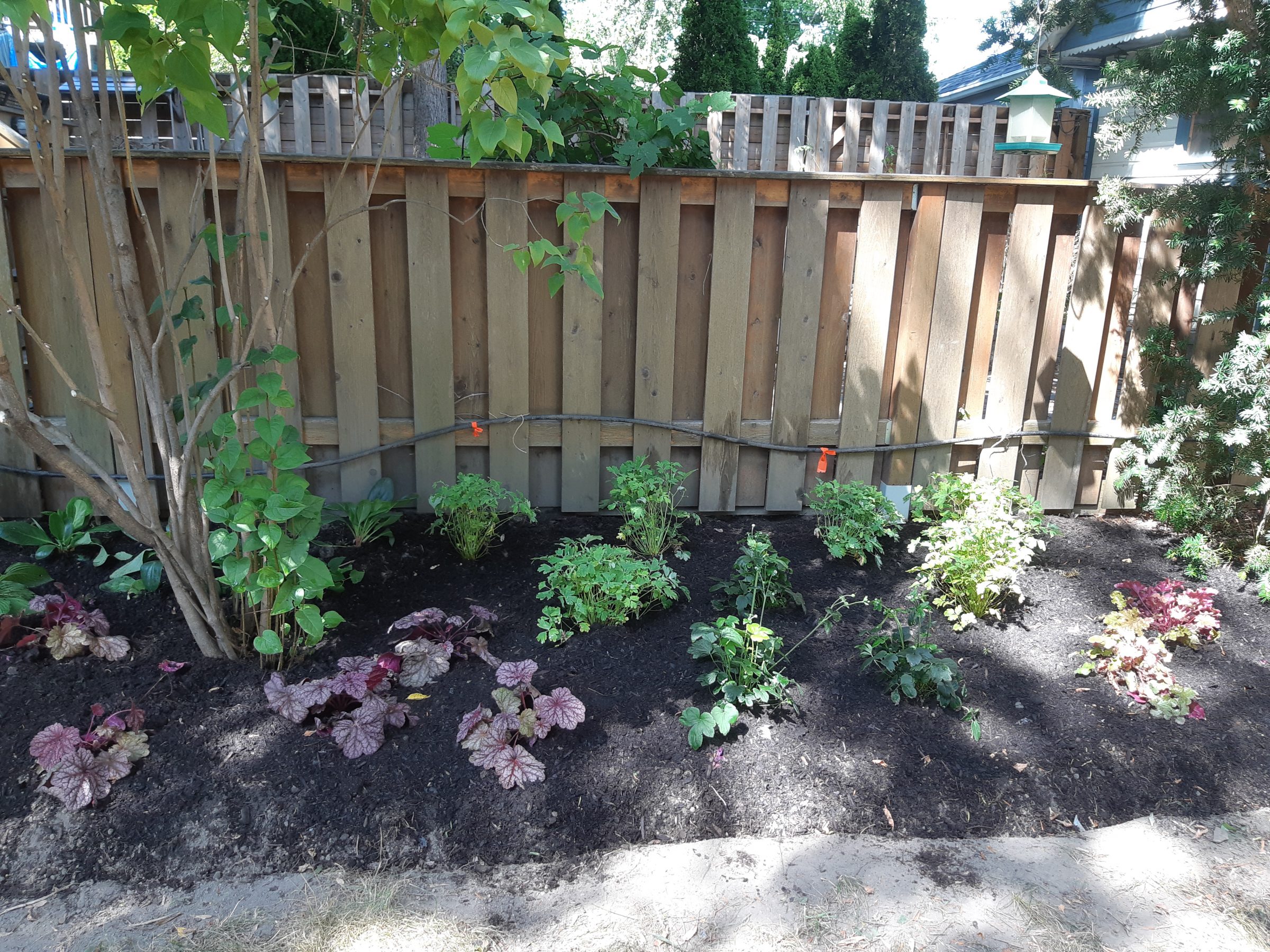
Garden beds are meant to hold their structure. When yours slump, shift, or blend into surrounding areas within weeks, something deeper may be going on.
Sometimes the soil settles because it’s tired or compacted. Other times, edging materials weaken, roots push boundaries, or older beds no longer support your layout the way they once did. If you try to tidy them often, but the shape doesn’t hold, it can signal early signs you need a garden renovation. Healthy beds stay defined without constant repair.
Maintenance-first guidance:
• Add edging support
• Refresh topsoil
• Address compaction
Renovation-needed guidance:
• Rebuild the bed to restore form
• Re-establish structure with improved soil and updated layout
• Follow the decision path to determine next steps
2. Perennials Look Smaller Each Year
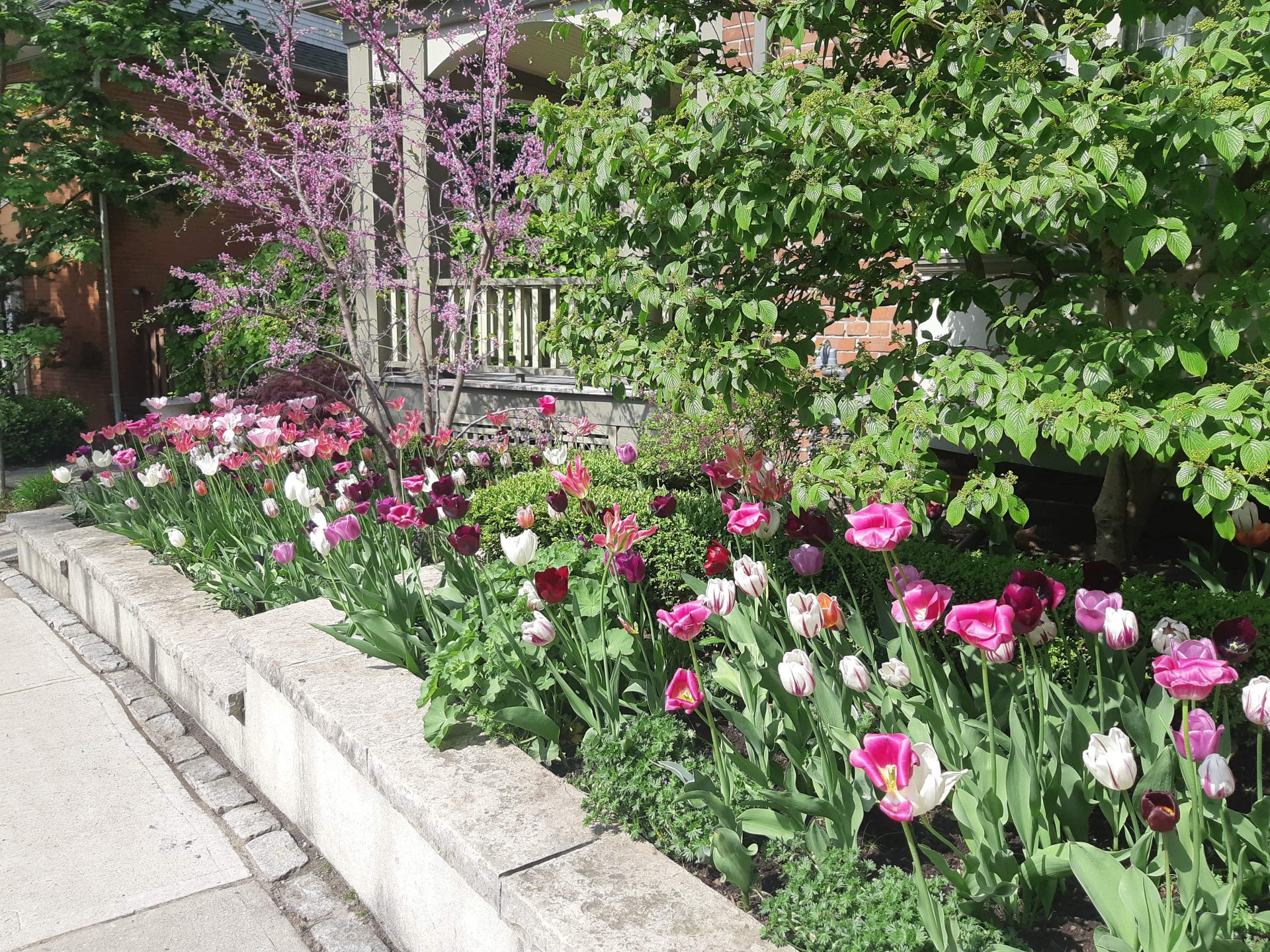
Perennials should grow fuller over time. If yours shrinks, struggles, or blooms less each year, you may be dealing with soil exhaustion, overcrowding, or root stress.
This is a common challenge for homeowners who aren’t sure when to renovate a garden bed. Plants that once thrived might now compete for nutrients or sit in soil that no longer supports steady growth. Splitting plants or adding fresh organic matter can help, but only if the underlying structure is still healthy.
Maintenance-first guidance:
• Divide mature perennials
• Feed soil with organic inputs
• Improve spacing for airflow
Renovation-needed guidance:
• Rebuild the bed and reposition plant groupings
• Introduce updated soil and revise the layout
3. Weeds Return Fast After You Pull Them
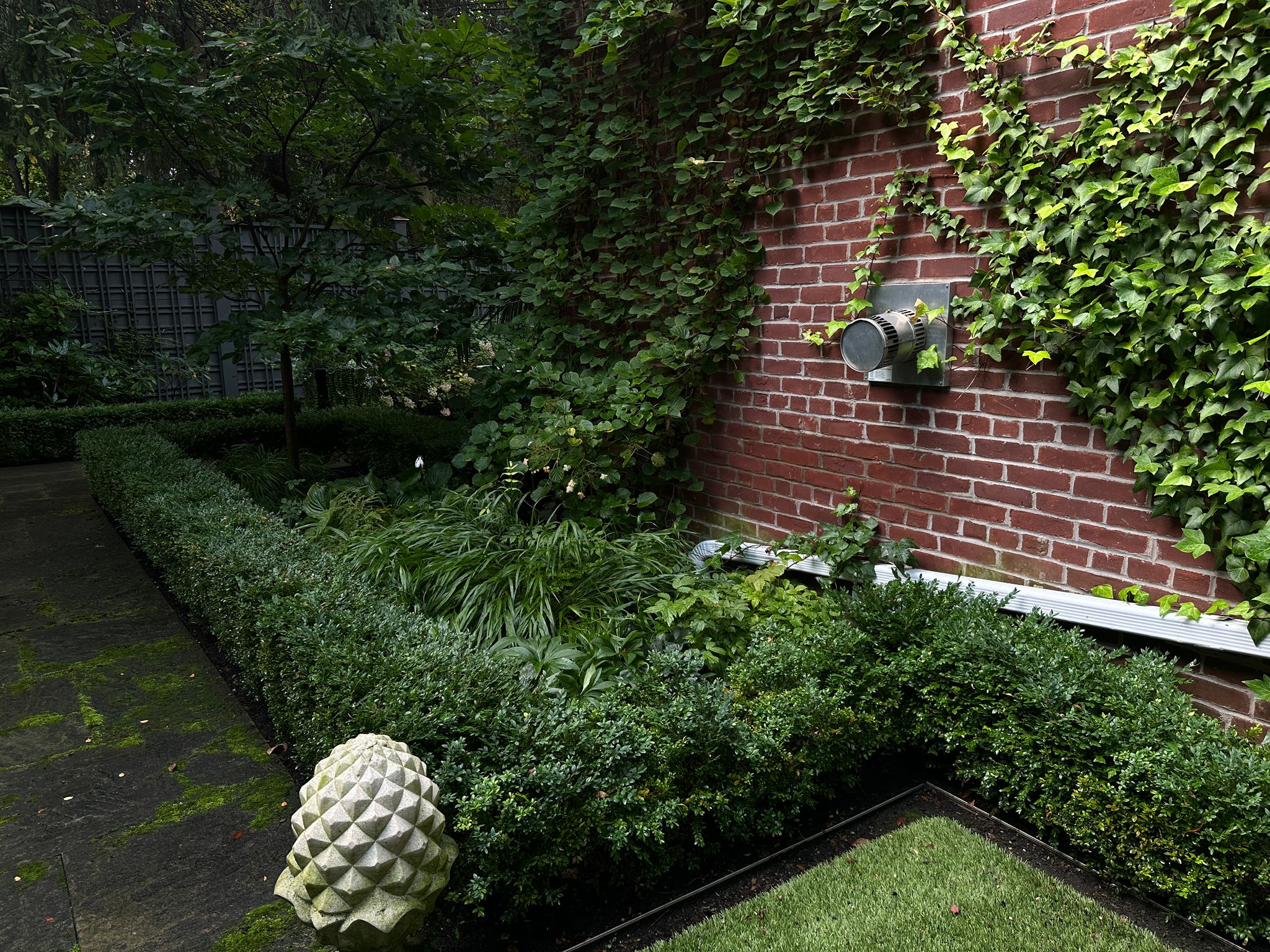
Every garden has weeds, but if they return within days, you may need to look closer. Soil disruption, poor mulch coverage, and old bed structure are common reasons why weeds keep coming back in gardens.
If your yard feels like a constant battle, it may be out of balance. Weeds thrive in weak soil or neglected areas, so rapid regrowth is a helpful indicator of more significant issues.
Maintenance-first guidance:
• Improve soil density
• Use natural mulch to block light
• Hand-pull weeds before seed set
Renovation-needed guidance:
• Strip and rebuild beds
• Correct grade or reshape contours
4. Shrubs Or Ornamental Grasses Start Crowding Pathways Or Block Light
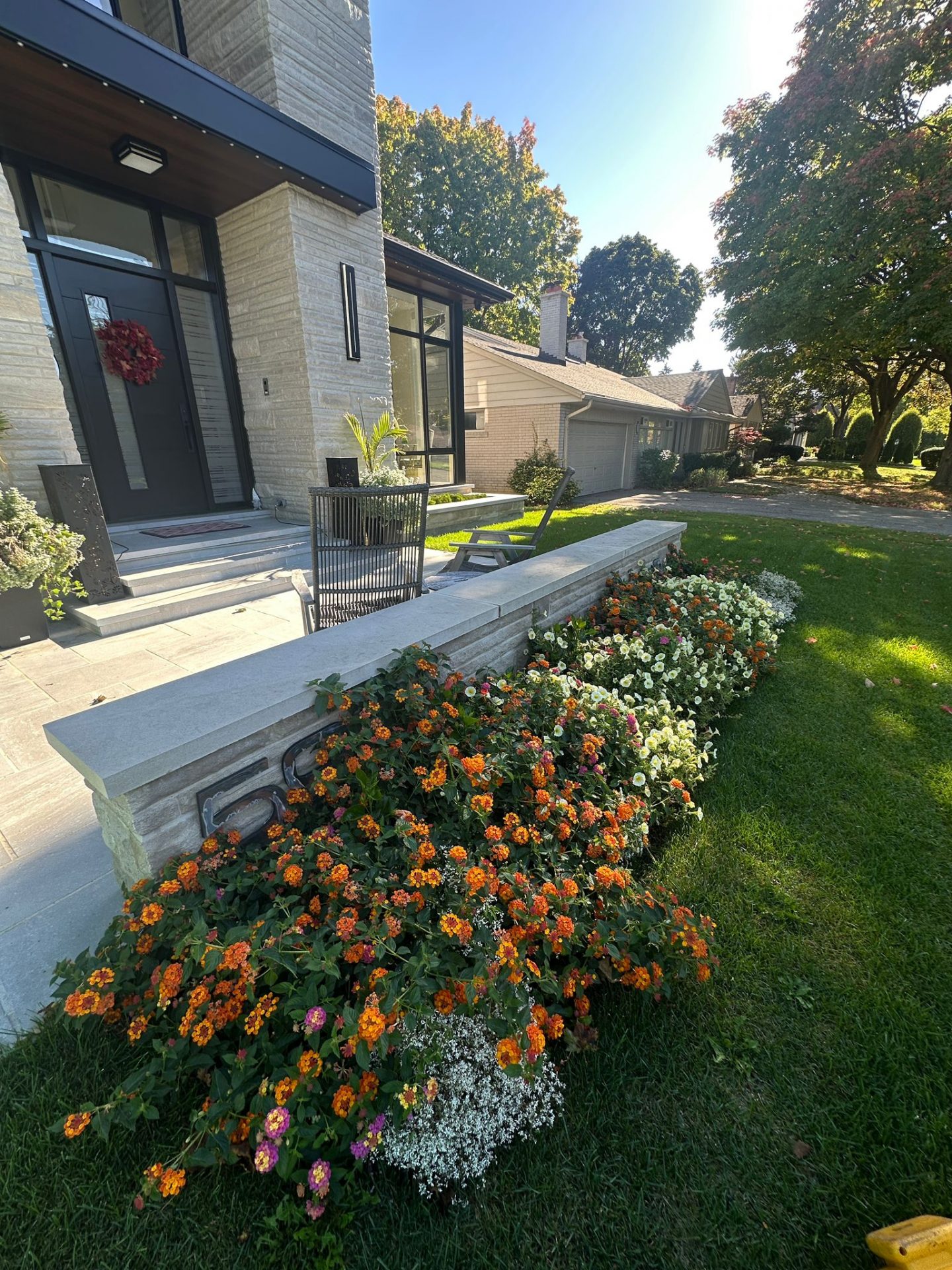
As shrubs and ornamental grasses mature, they can begin to encroach on walkways or shade nearby plants. When they crowd your walkways or block light, trimming alone may not fix the problem.
Plants that outgrow their space signal that the original layout no longer suits your yard. You may simply need pruning. Or you may need to rethink placement, especially if you find yourself trimming aggressively several times a year.
If you find yourself searching for how to fix overgrown garden beds, the answer often starts with understanding whether pruning alone is enough or if the layout itself needs to be reset.
Maintenance-first guidance:
• Trim to reshape
• Remove dead growth
• Adjust plant spacing if possible
Renovation-needed guidance:
• Relocate oversized shrubs or grasses
• Refresh the design for safer movement and better light
5. Edges Blur and Beds Creep Into Lawns Or Paths
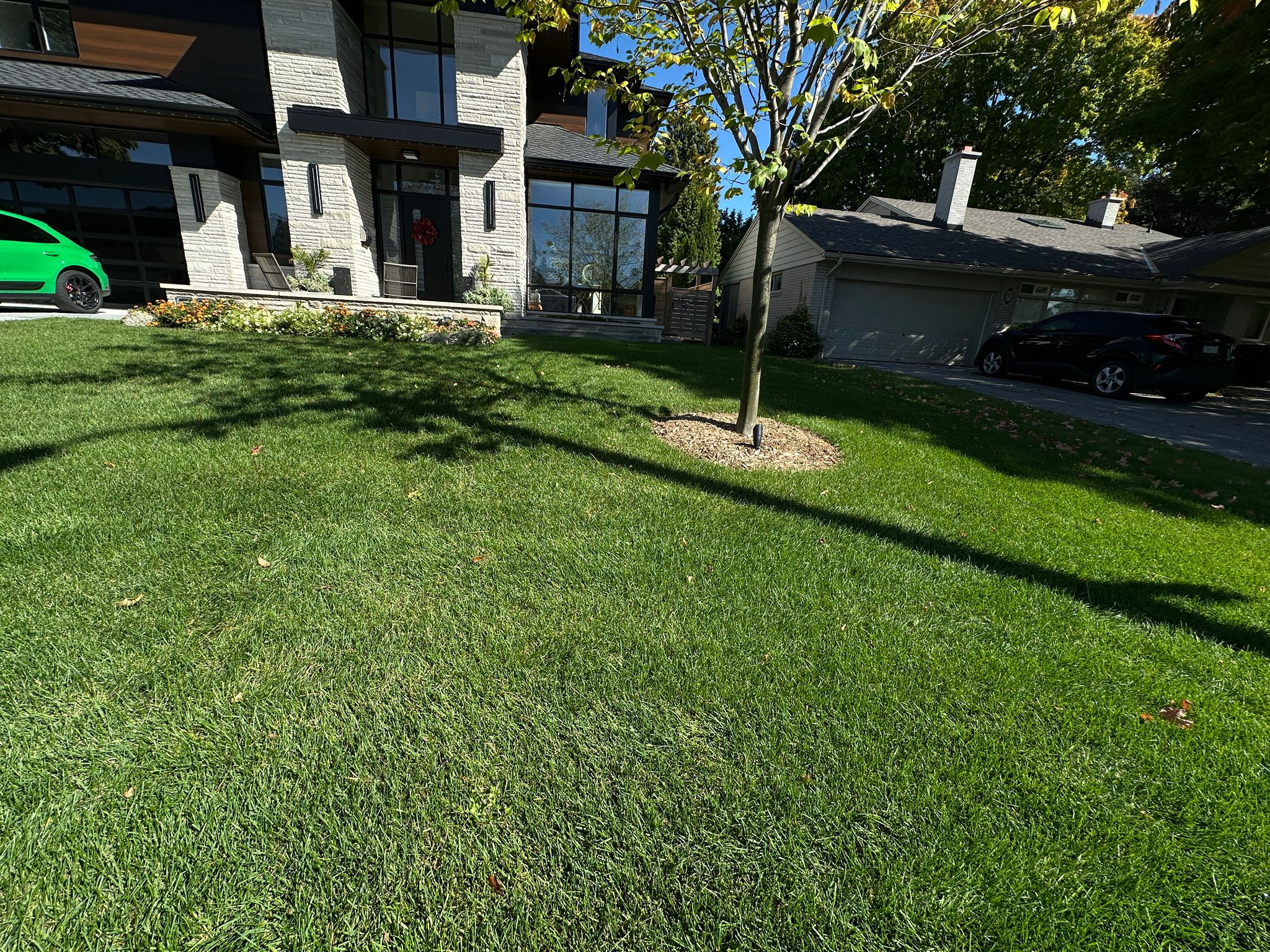
When edges blur, maintenance takes more time. Grass can push into beds, and beds can expand into lawn areas. You may find yourself cutting new lines over and over.
This shift often comes from root spread, soil erosion, or the breakdown of older edging materials. It can make your outdoor space feel less defined and more difficult to maintain.
If you constantly fight shifting edges, the question of garden renovation vs maintenance becomes more relevant.
Maintenance-first guidance:
• Install simple, clean edging
• Trim intruding turf
• Reinforce weak areas
Renovation-needed guidance:
• Rebuild bed lines with durable materials
• Update layout for long-term stability
6. Mulch Doesn’t Stay Put Or Looks Patchy
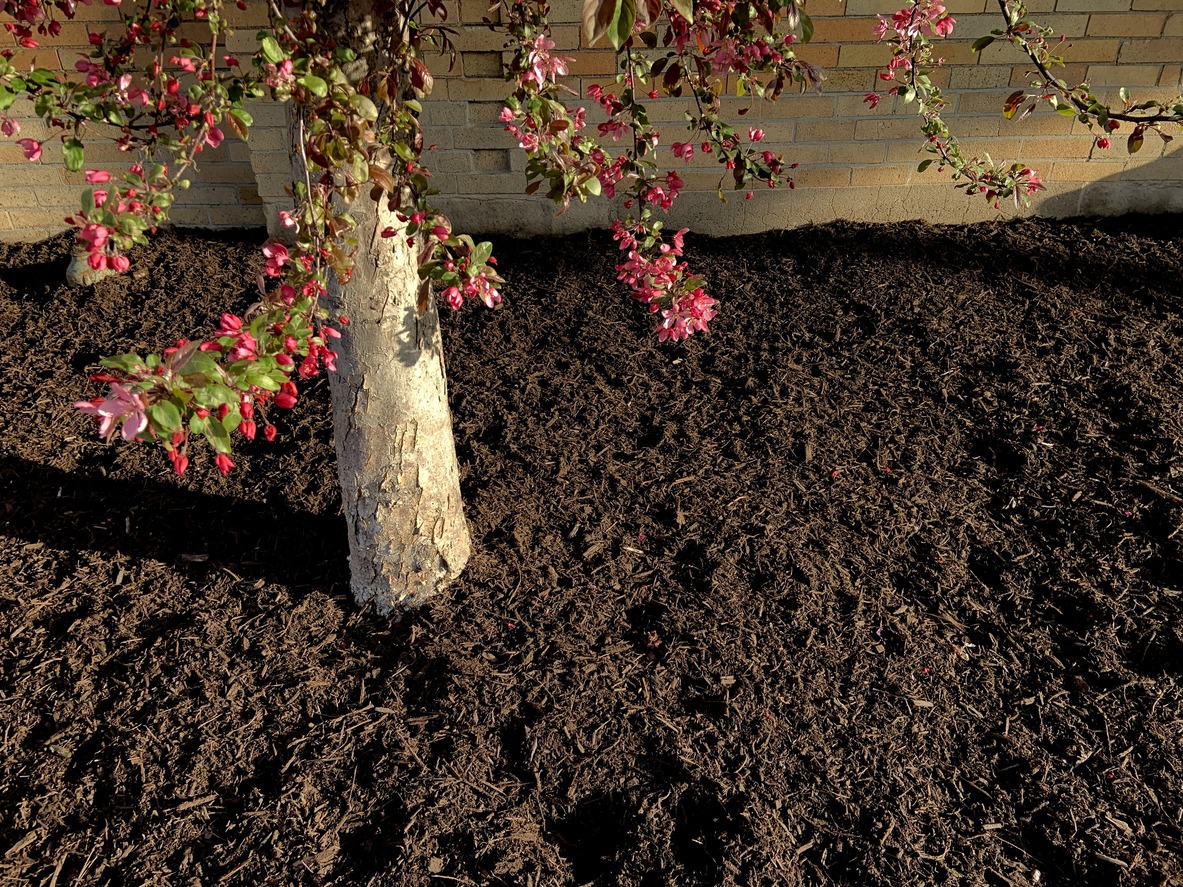
Mulch plays a key role in moisture control and soil health. When it washes away or appears uneven, it often indicates issues with grade, plant spacing challenges, or gaps in soil structure. A declining garden structure makes it harder for mulch to stay in place.
If you’re choosing mulch, natural mulch performs far better than dyed options. Natural mulch provides better soil support and breaks down in a way that feeds existing beds.
Maintenance-first guidance:
• Switch to natural mulch
• Level soil before applying
• Add mulch at correct depth
Renovation-needed guidance:
• Redesign the bed to correct slope
• Rebuild soil layers
7. Plants Struggle Even With Regular Watering
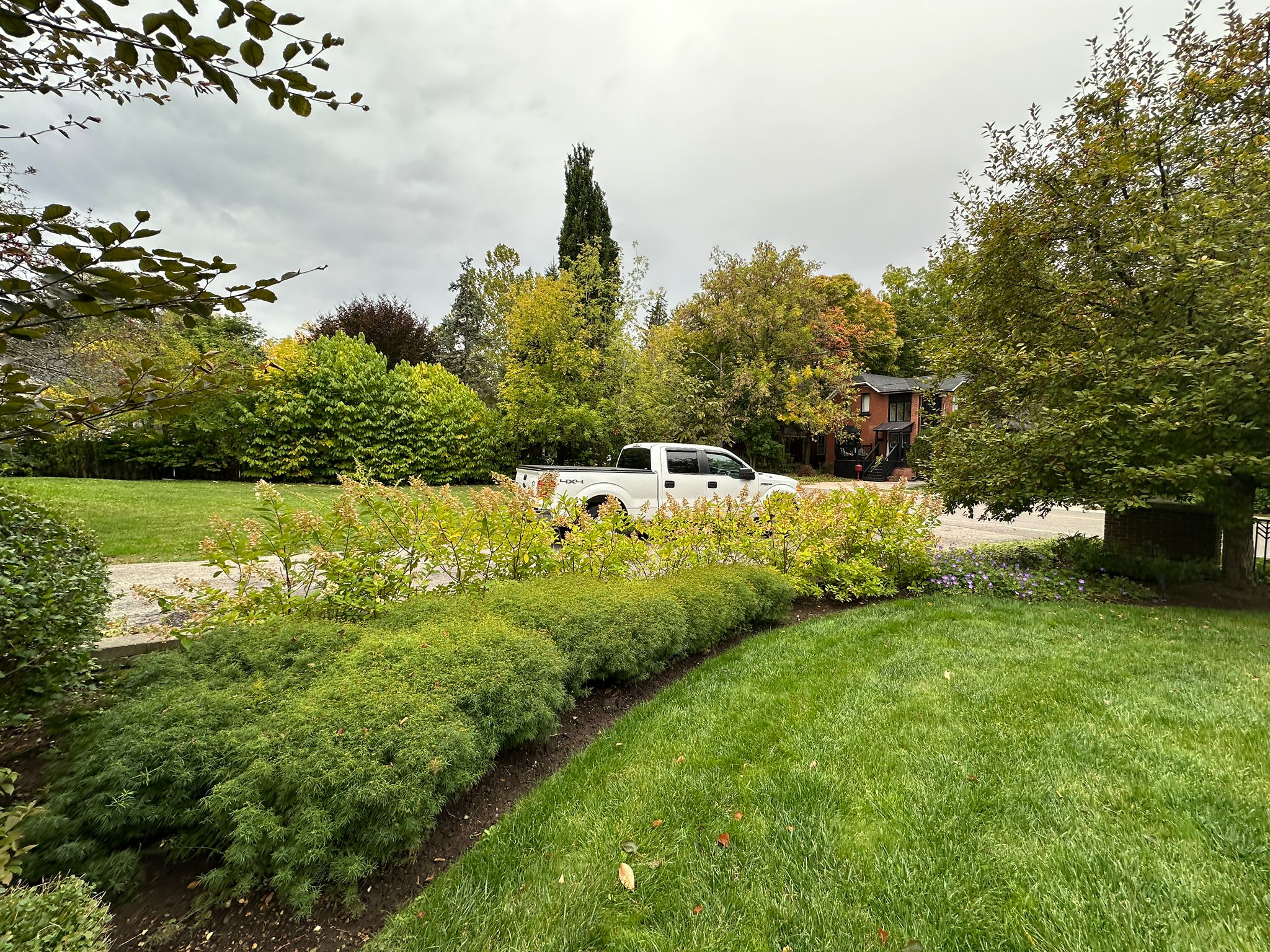
Water should support plant growth, but if your plants still struggle, other factors may be the cause. Compacted soil, poor drainage, or root competition can weaken even established beds.
This is one of the clearest signs you need a garden renovation, especially if care routines don’t make a difference. Healthy soil stays loose, drains well, and supports steady growth without constant intervention.
Maintenance-first guidance:
• Check watering consistency
• Improve soil with organic inputs
• Remove competing roots
Renovation-needed guidance:
• Replace soil
• Rebuild bed structure
8. Cleanups Feel Bigger Every Season
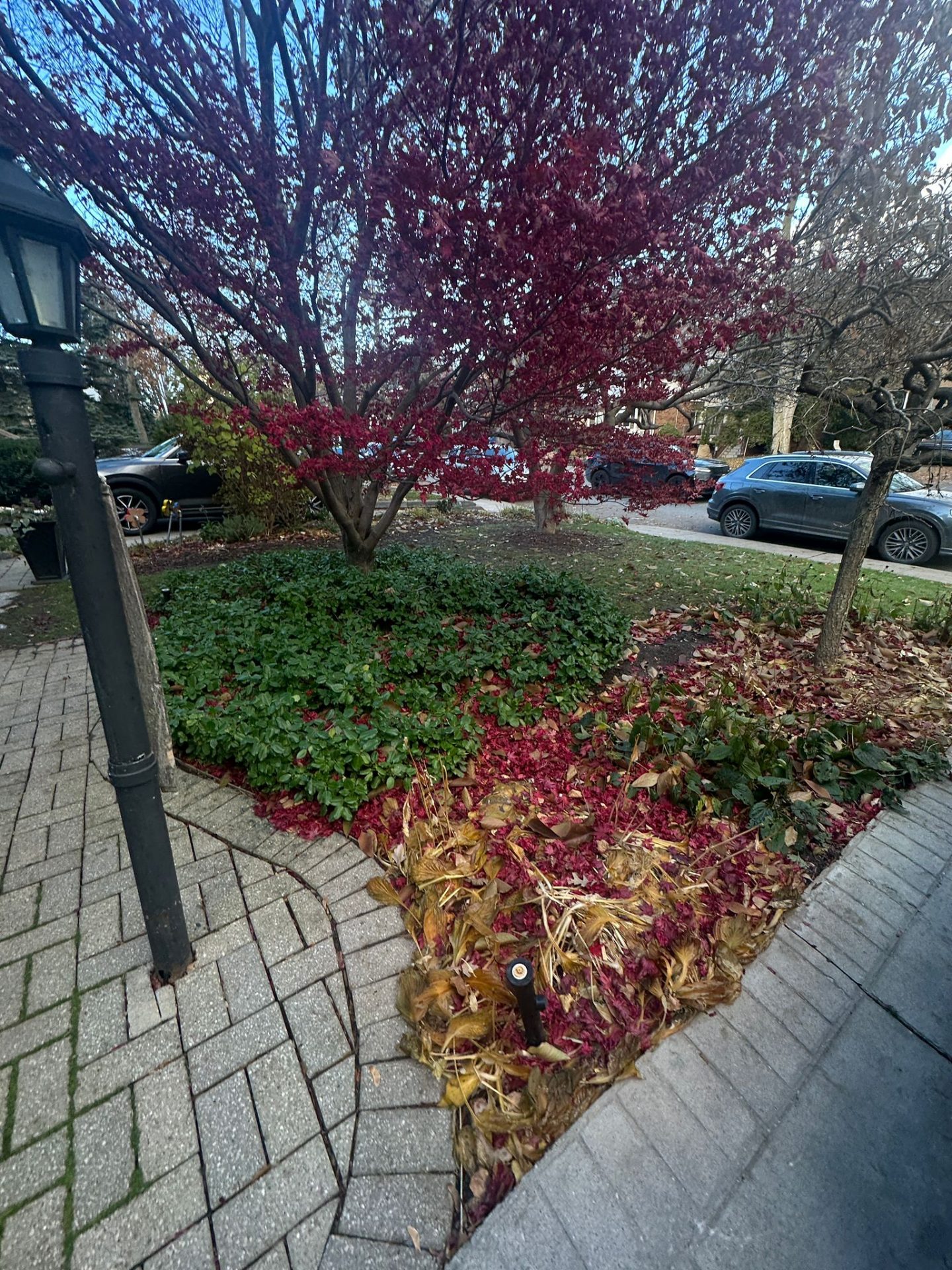
If cleanup days feel longer each year, the workload may be signalling structural decline. Beds shift, plants overtake space, and soil degrades. These changes turn small tasks into bigger ones.
At this point, many homeowners ask when to hire garden maintenance help. Support can lighten the workload, but if the issues stem from aging layouts, maintenance isn’t always enough.
A growing workload often appears late in the garden renovation vs. maintenance decision process. It’s a sign that deeper adjustments may bring better results and less strain over time.
Maintenance-first guidance:
• Bring in support for seasonal cleanup
• Improve soil health
• Trim and tidy regularly
Renovation-needed guidance:
• Redesign the space to reduce labour
• Rebuild beds with long-life materials
Bringing It All Together
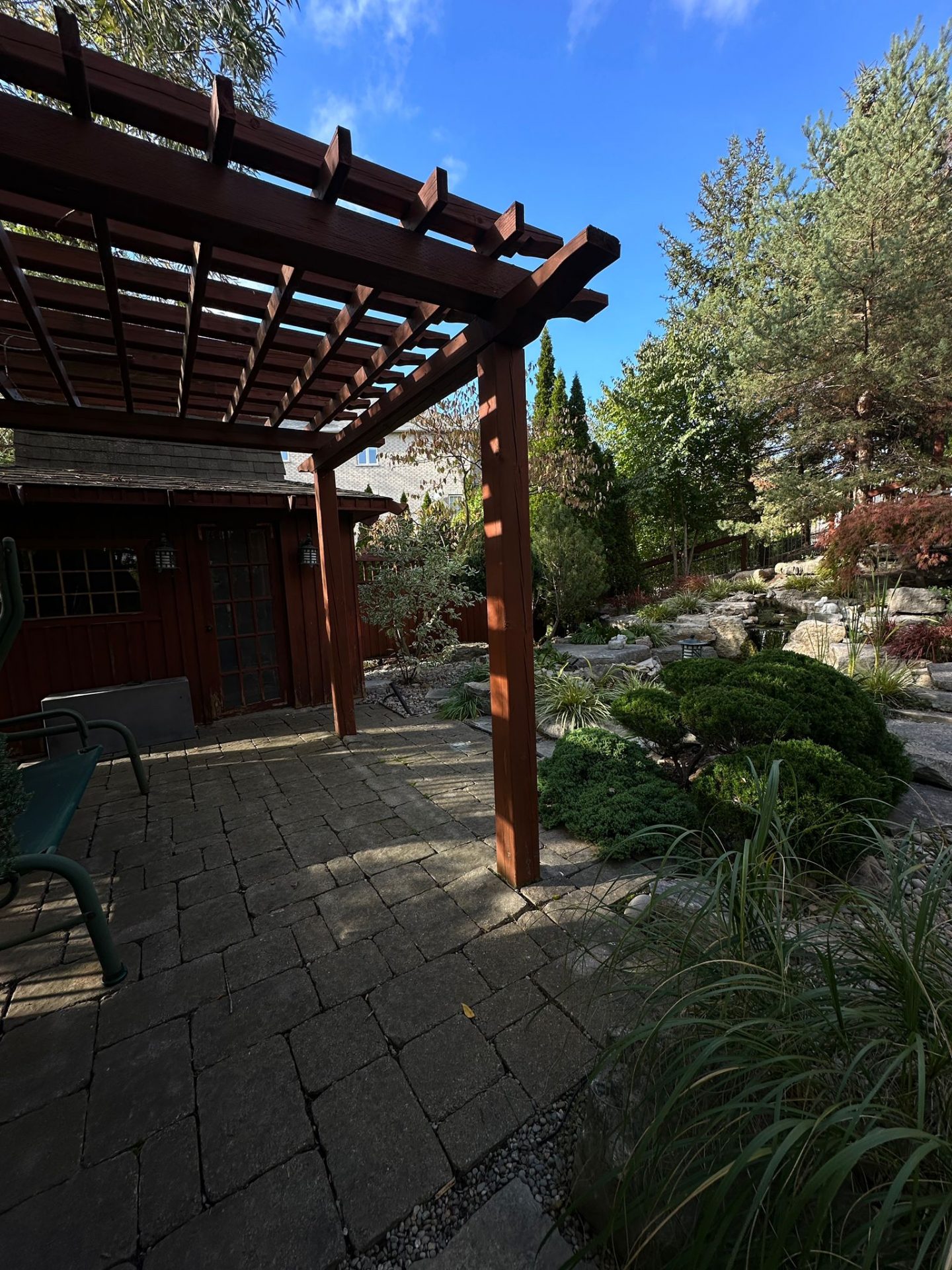
Your yard tells a story through the way it grows, shifts, and changes. When you notice recurring issues, it helps to step back and revisit your decision path for garden renovation vs maintenance. Each sign provides clues. Some point to simple care. Others reveal deeper needs that maintenance alone cannot solve.
Yorkshire Garden Services Ltd. approaches this process with experience, a wide range of services, and a customer-focused mindset shaped by genuine care. You receive thoughtful guidance rooted in understanding because your yard should feel like a natural extension of who you are.
If you’re unsure what your yard needs, you can explore your options and start planning with confidence. Getting professional guidance ensures your yard stays healthy and easy to maintain. Contact us today to discuss your needs and find the right approach for your space.
Summary
This blog outlines nine key signs that help you decide between garden renovation vs. maintenance. With these insights, you can make choices that support a healthy garden and welcoming outdoor space.
Tags: