

Best Plants For Garden Renovations In The GTA
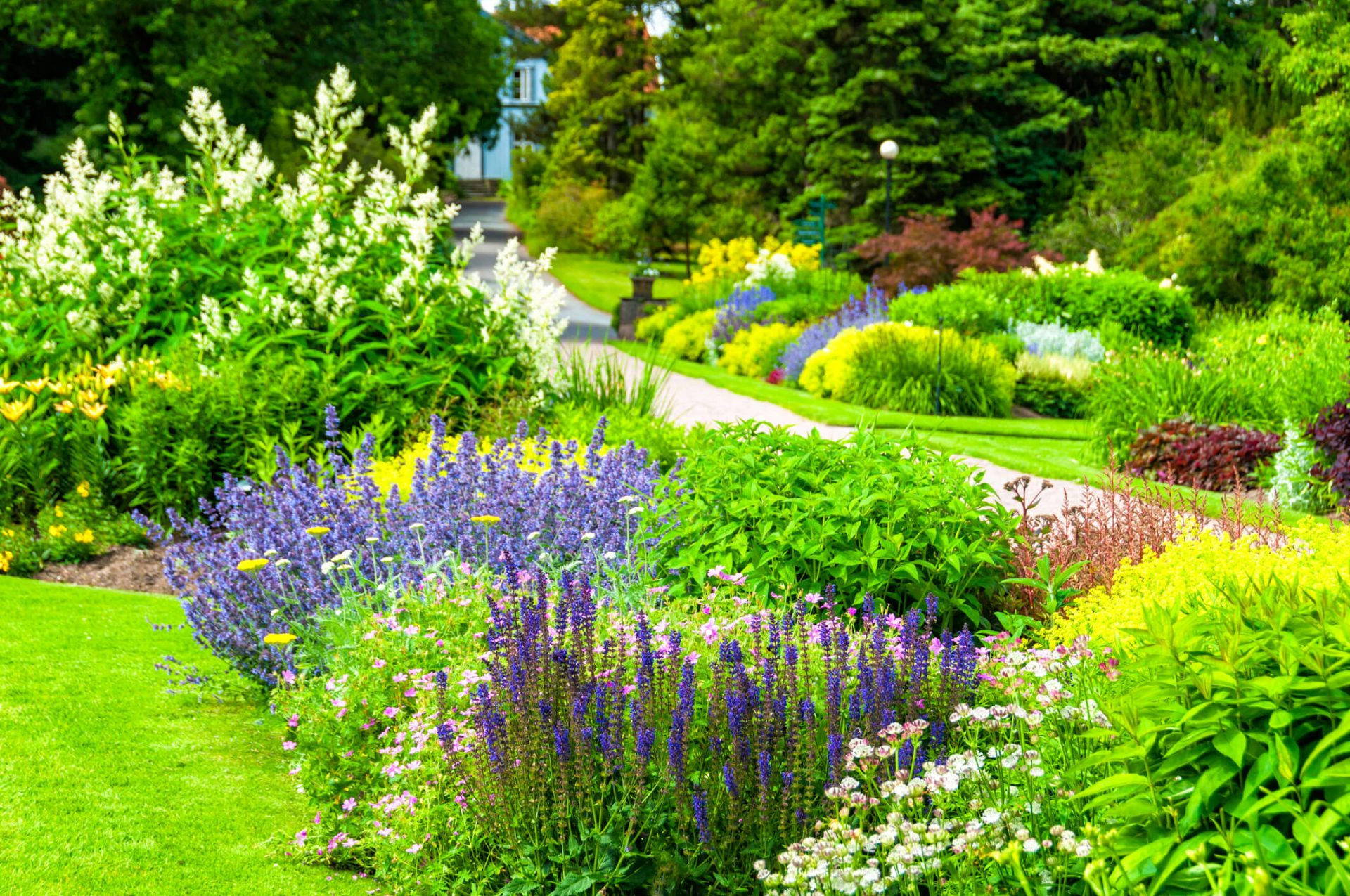
You’ve decided to renovate your garden with some of the best plants for garden renovations in the GTA, but standing in the nursery or scrolling through plant catalogs leaves you overwhelmed. With hundreds of options available, how do you choose plants that will thrive in the area while creating the beautiful space you envision?
Many homeowners make costly mistakes during garden renovations by selecting plants based on appearance alone, without considering our region’s unique growing conditions.
The solution lies in selecting the best plants for garden renovations in the GTA that match both our local climate and your specific garden conditions. When you choose plants suited to our region, you create a thriving landscape that enhances your property value while requiring reasonable maintenance throughout the seasons.
Understanding Your Garden Renovation Goals
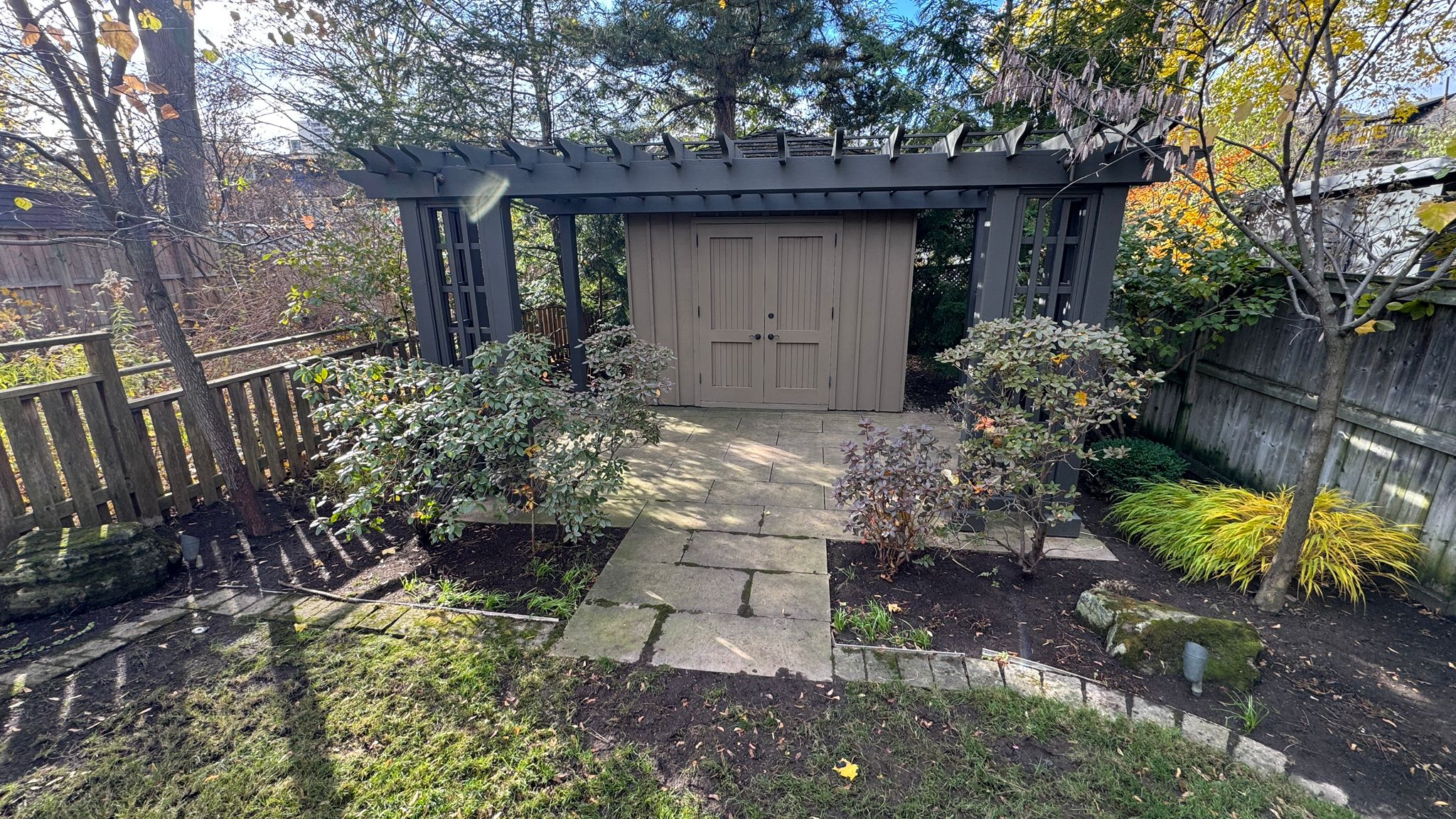
Before selecting specific plants, you need clarity about what you want your renovated garden to achieve. Your plant choices should align with how you plan to use your outdoor space and the level of maintenance you’re comfortable managing.
Consider your garden’s primary function. You might want a low-maintenance landscape that looks good year-round, a productive space for growing vegetables and herbs, or an entertainment area with seasonal colour and fragrance.
The best plants for garden renovations in the GTA serve multiple purposes in your landscape design. They provide structure, seasonal interest, and functionality while adapting well to our continental climate with its hot summers and cold winters.
Your renovation timeline also influences plant selection. Some plants establish quickly and provide immediate impact, while others take several seasons to reach their full potential but offer greater long-term value.
Top Plants For GTA Gardens: Climate Considerations
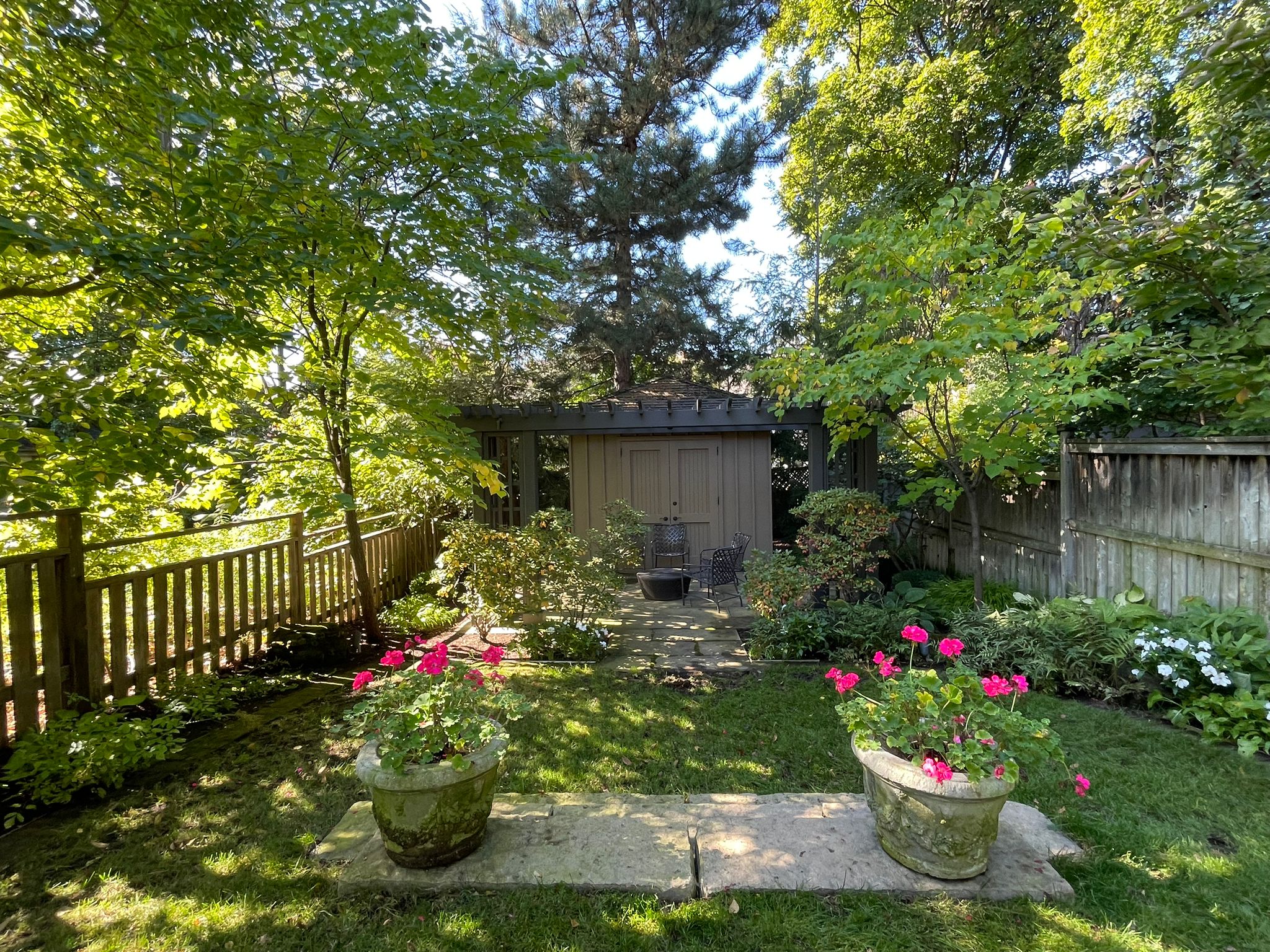
Our Greater Toronto Area climate presents unique challenges and opportunities for plant selection. You’ll want to choose plants rated for hardiness zones 5b to 6a, depending on your specific location within the region. The GTA presents unique challenges and opportunities for plant selection. You’ll want to choose plants rated for hardiness zones 5b to 6a, depending on your specific location within the region.
Understanding microclimates within your property helps you make informed plant choices. You’ll notice areas that stay warmer in winter due to building protection or spots that receive reflected heat from pavement or south-facing walls.
Hardy Perennials for Long-Term Success
Perennial plants form the backbone of successful garden renovations because they return each year, providing reliable structure and reducing replacement costs. You get excellent value from perennials that establish strong root systems and improve with age.
Black-eyed Susan, Purple Coneflower, and Daylilies rank among the best plants for garden renovations in the GTA for their exceptional hardiness and extended blooming periods. These plants tolerate various soil conditions while providing months of colour.
Hostas excel in shaded areas where many other plants struggle. You can choose from dozens of varieties offering different leaf sizes, colours, and textures to create interesting combinations in low-light areas.
Reliable Shrubs for Structure
Shrubs provide a permanent structure that anchors your garden design throughout all seasons. You’ll want to select varieties that offer multiple seasons of interest through flowers, foliage, bark, or berries.
Spirea varieties bloom profusely in spring or summer, depending on the cultivar, then provide attractive foliage colour in fall. These adaptable shrubs can thrive in a variety of growing conditions while requiring minimal maintenance once established.
Ninebark offers year-round interest with spring flowers, colourful summer foliage, and attractive seed heads that persist into winter. You get exceptional hardiness and adaptability from this native shrub.
Foundation Plants That Anchor Your Design
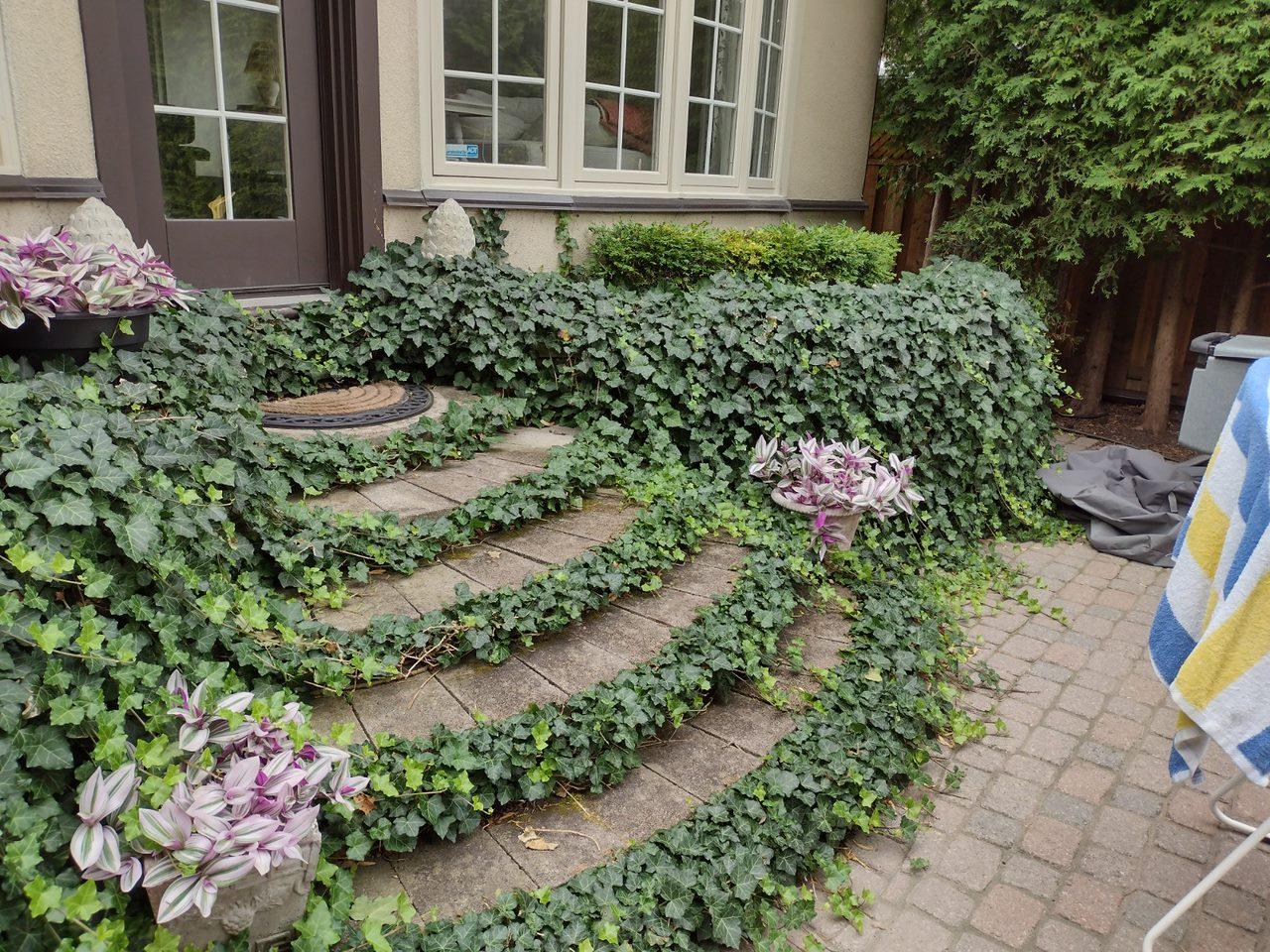
Foundation plantings create the structural framework that makes your garden renovation cohesive and purposeful. You’ll use these plants to define spaces, create privacy, and provide a backdrop for more decorative elements.
Evergreen plants maintain your garden’s structure throughout winter when deciduous plants are dormant. You can choose from various forms, from columnar junipers for vertical accents to spreading yews for ground coverage.
The best plants for garden renovations in the GTA include both needle and broad-leaf evergreens that handle our winter conditions. White Pine, Eastern Red Cedar, and various spruce species provide excellent wind protection while creating year-round privacy screens.
Deciduous Trees for Seasonal Drama
Trees provide the largest structural elements in your garden renovation, creating shade, defining spaces, and adding vertical dimension to your landscape. You’ll want to choose species that offer multiple seasons of interest while adapting well to urban growing conditions.
Sugar Maple and Red Oak provide exceptional fall colour while growing into stately shade trees that increase property value. These native species support local wildlife while handling various soil conditions.
Serviceberry combines spring flowers, summer berries, and fall colour in a compact tree perfect for smaller properties. You get food for birds and visual interest throughout multiple seasons from this hardy native species.
Seasonal Interest Through Plant Selection
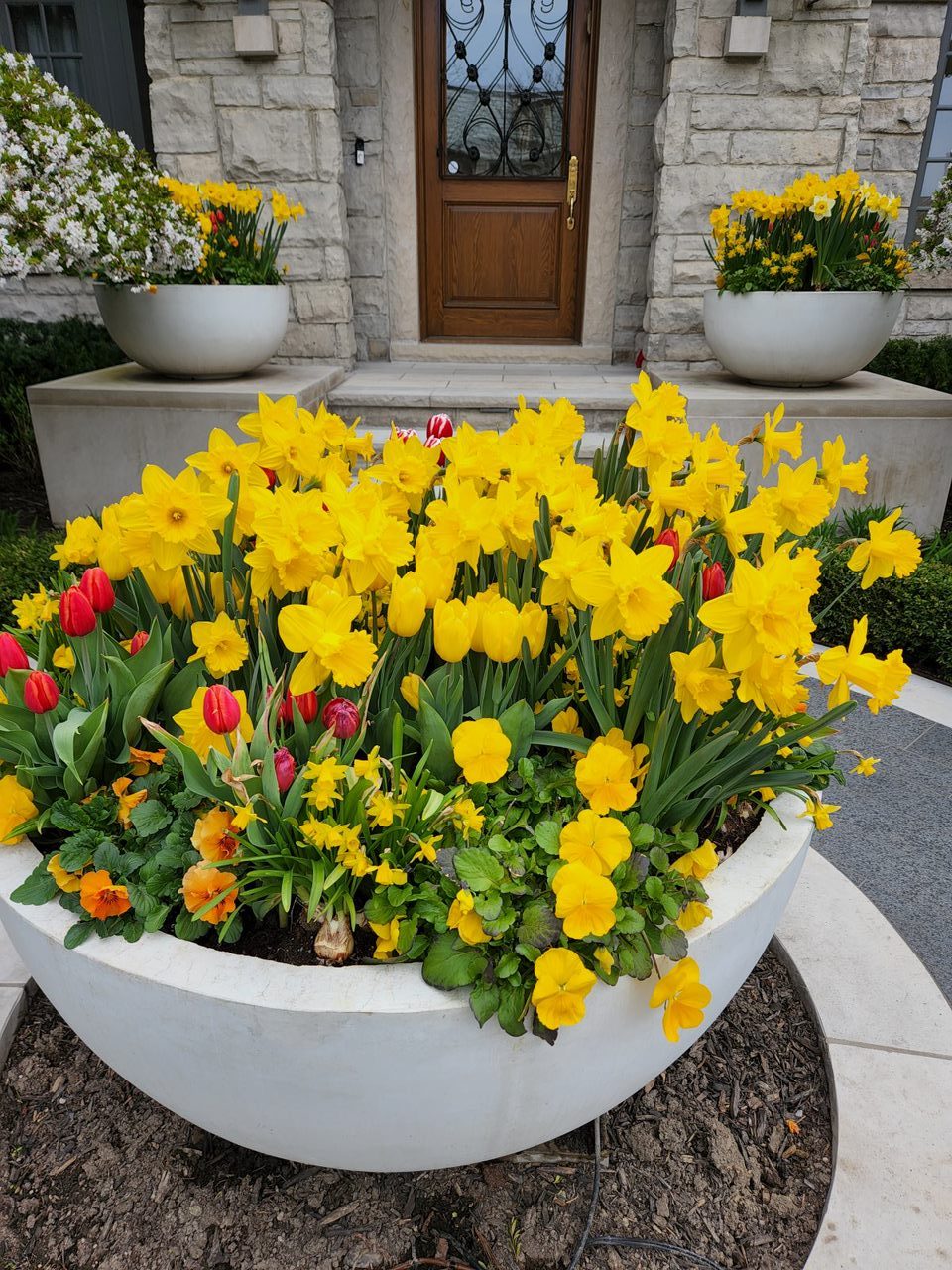
Successful garden renovations provide visual interest throughout all four seasons, preventing your landscape from looking dormant or unattractive during any particular time of year. You achieve this through careful plant selection that includes species with different peak interest periods.
Spring interest comes from early-blooming bulbs, flowering trees, and emerging perennial foliage. You can plant crocuses, daffodils, and tulips among your permanent plantings for early-season colour.
The best plants for garden renovations in the GTA include summer bloomers like Bee Balm, Rudbeckia, and Echinacea that provide colour during the hottest months while attracting beneficial pollinators to your garden.
Fall & Winter Interest
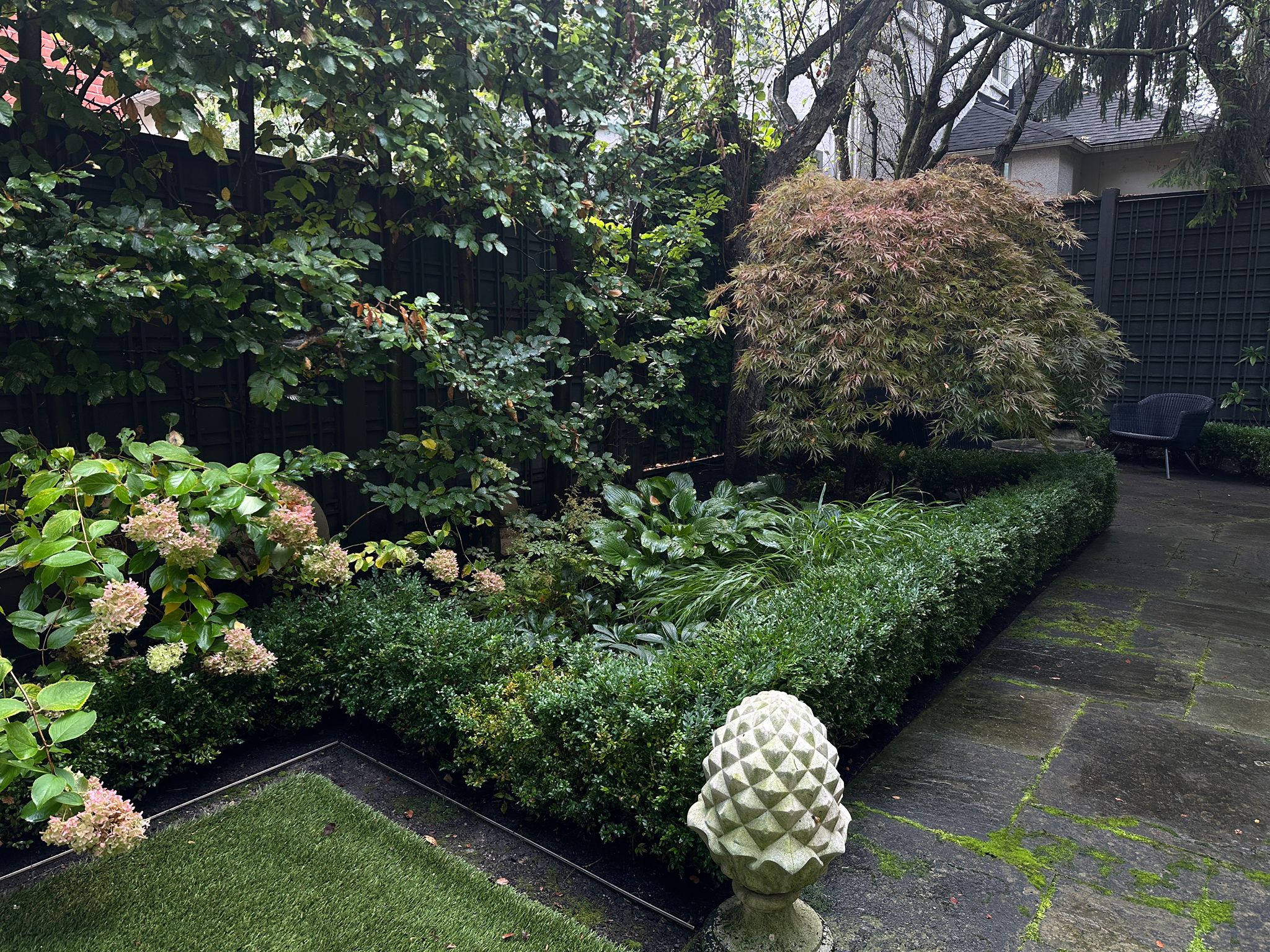
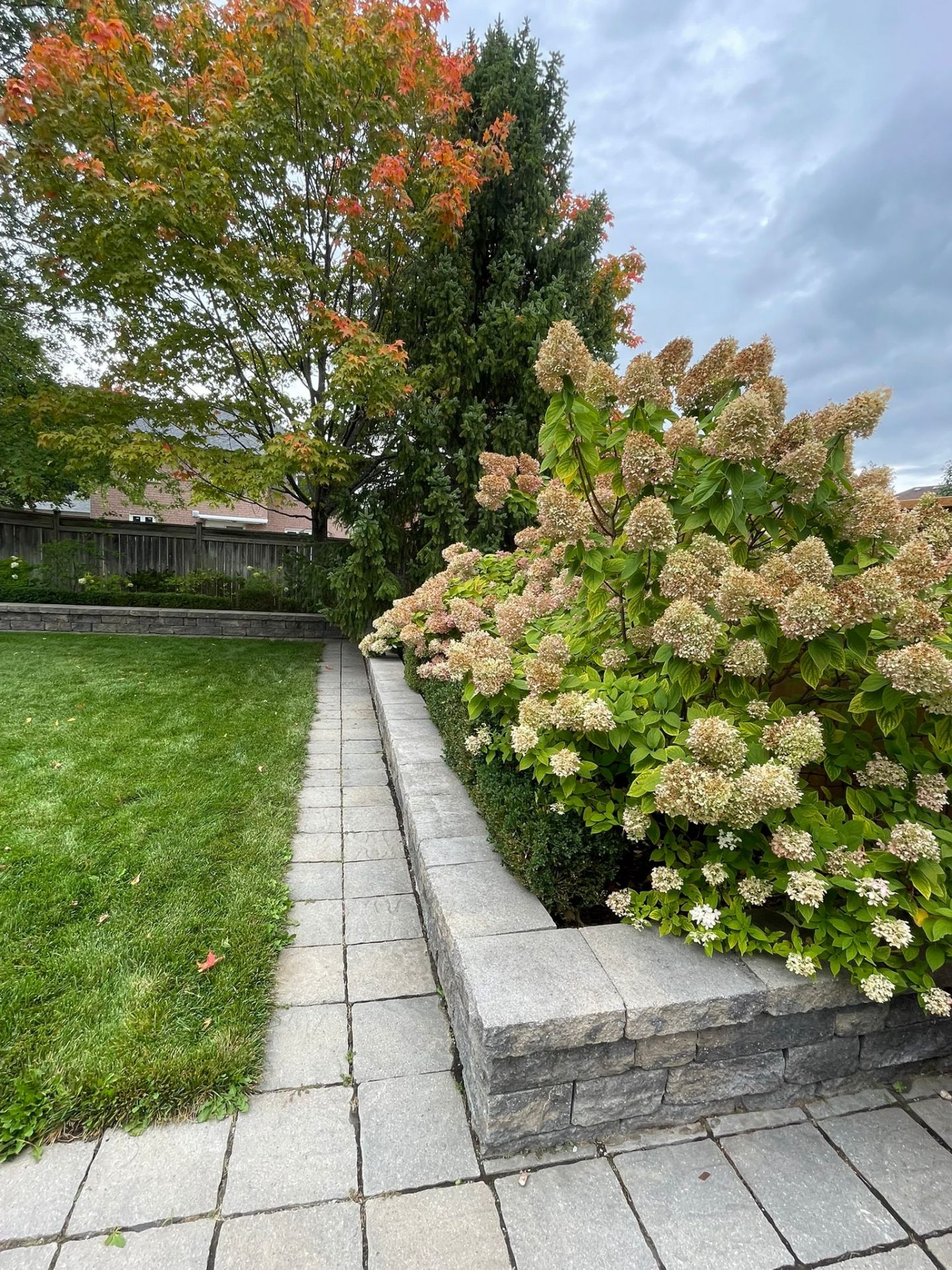
Fall colour extends your garden’s appeal well into autumn through plants like Burning Bush, Sugar Maple, and various Viburnum species. You get weeks of brilliant foliage colour that makes your property stand out in the neighbourhood.
Winter interest comes from plants with attractive bark, persistent berries, or interesting branch structure. Red-twig Dogwood provides bright stem colour against snow, while ornamental grasses add movement and texture throughout the cold months.
Evergreen plants become especially important during winter when they provide the only green colour in your landscape. You can use various conifers to create focal points and maintain visual weight in your garden design.
Native Species for Sustainable Landscapes
Native plants offer numerous advantages for garden renovations, including superior climate adaptation, reduced maintenance requirements, and support for local wildlife. You get plants that naturally thrive in our regional growing conditions.
Wild Bergamot, Purple Coneflower, and Wild Ginger represent excellent native choices that provide beauty while supporting bees, butterflies, and other beneficial insects. These plants typically require less watering and fertilizing once established.
Among the best plants for garden renovations in the GTA, native species often show superior disease resistance and pest tolerance compared to exotic alternatives. You reduce the need for chemical treatments while creating a more sustainable landscape.
Supporting Local Ecosystems
Native plant selections help restore habitat that supports birds, butterflies, and other wildlife that have adapted to our regional flora. You create a garden that contributes positively to local biodiversity rather than just providing human enjoyment.
Oak trees support over 500 species of butterflies and moths in their caterpillar stage, making them valuable additions to wildlife-friendly garden renovations. You get a beautiful shade tree that also functions as a habitat for numerous species.
Native berry-producing plants like Elderberry and Wild Rose provide food sources for birds while adding seasonal interest to your landscape. You create natural bird feeding stations that reduce the need for artificial feeders.
Maintenance Requirements & Plant Longevity
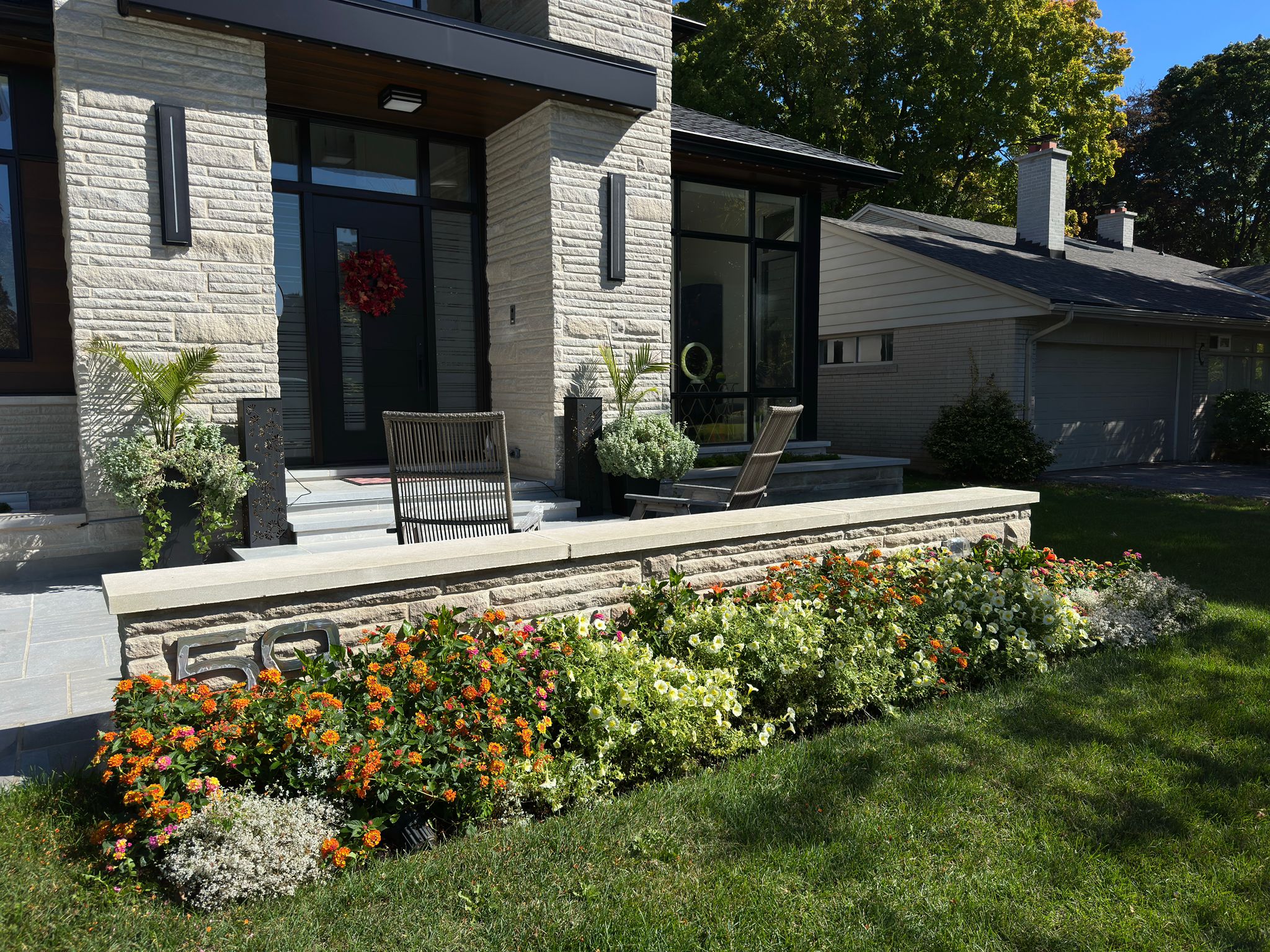
Understanding the long-term care requirements of your plant choices helps you create a garden renovation that fits your lifestyle and budget. You want plants that provide excellent value through longevity and reasonable maintenance needs.
Low-maintenance plants reduce ongoing garden care while providing reliable performance year after year. Daylilies, Sedums, and many native grasses require minimal care once established while providing seasons of interest.
The best plants for garden renovations in the GTA balance initial cost with long-term value. You might pay more initially for quality plants, but you save money over time through reduced replacement costs and lower maintenance requirements.
Grouping Plants by Care Needs
Organizing your garden renovation by grouping plants with similar care requirements creates efficient maintenance zones. You can water, fertilize, and care for plants more effectively when species with similar needs are planted together.
High-maintenance plants that require regular watering, deadheading, or seasonal care should be placed in easily accessible areas where you’ll notice and address their needs promptly.
Drought-tolerant plants can be grouped in areas that are harder to reach or where you want to minimize ongoing care requirements. You create sustainable planting areas that look good even during dry periods.
Creating Cohesive Plant Combinations
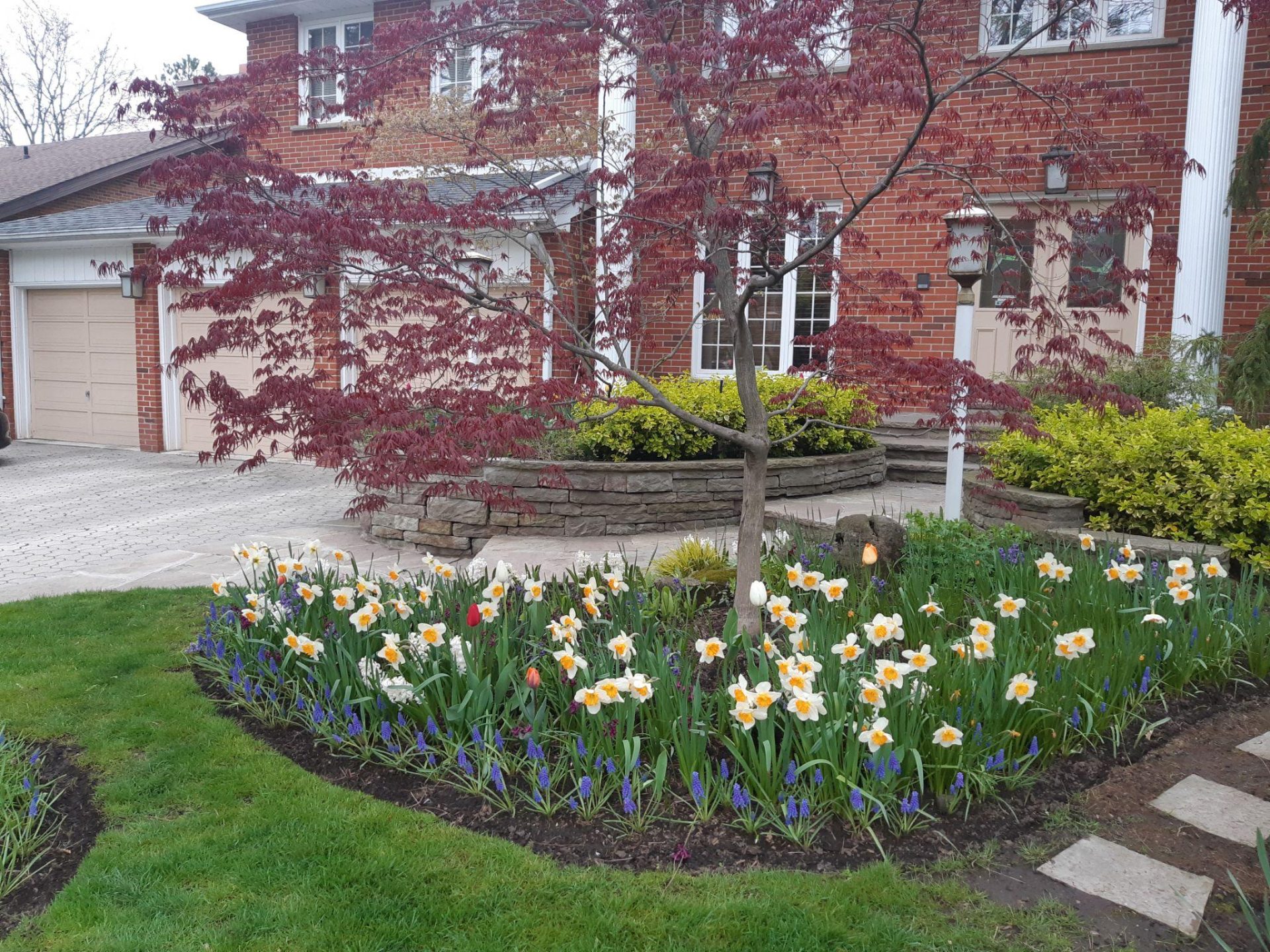
Successful plant combinations consider colour, texture, form, and blooming periods to create visually appealing arrangements that look intentional rather than random. You want plant partnerships that complement each other while providing extended seasons of interest.
Foliage plants provide a consistent backdrop colour and texture for flowering plants that provide seasonal highlights. You can use plants like Heuchera or Hosta to create reliable foundation plantings that showcase changing seasonal flowers.
The best plants for garden renovations in the GTA work together to create layered plantings with different heights, textures, and seasonal interest periods. You avoid monotonous plantings by including variety within a cohesive design framework.
Colour Theory in Plant Selection
Understanding basic colour relationships helps you create plant combinations that are visually pleasing rather than chaotic. You can use complementary colours for dramatic contrast or analogous colours for harmonious blends.
Cool colours like blues, purples, and whites create calming, sophisticated garden areas that work well in formal settings or small spaces. These colours also appear to recede, making spaces feel larger.
Warm colours, including reds, oranges, and yellows, create energetic, welcoming spaces that work well near entertainment areas or main entrances. You can use these colours to create focal points that draw attention to specific garden areas.
Planning Your Plant Installation Timeline
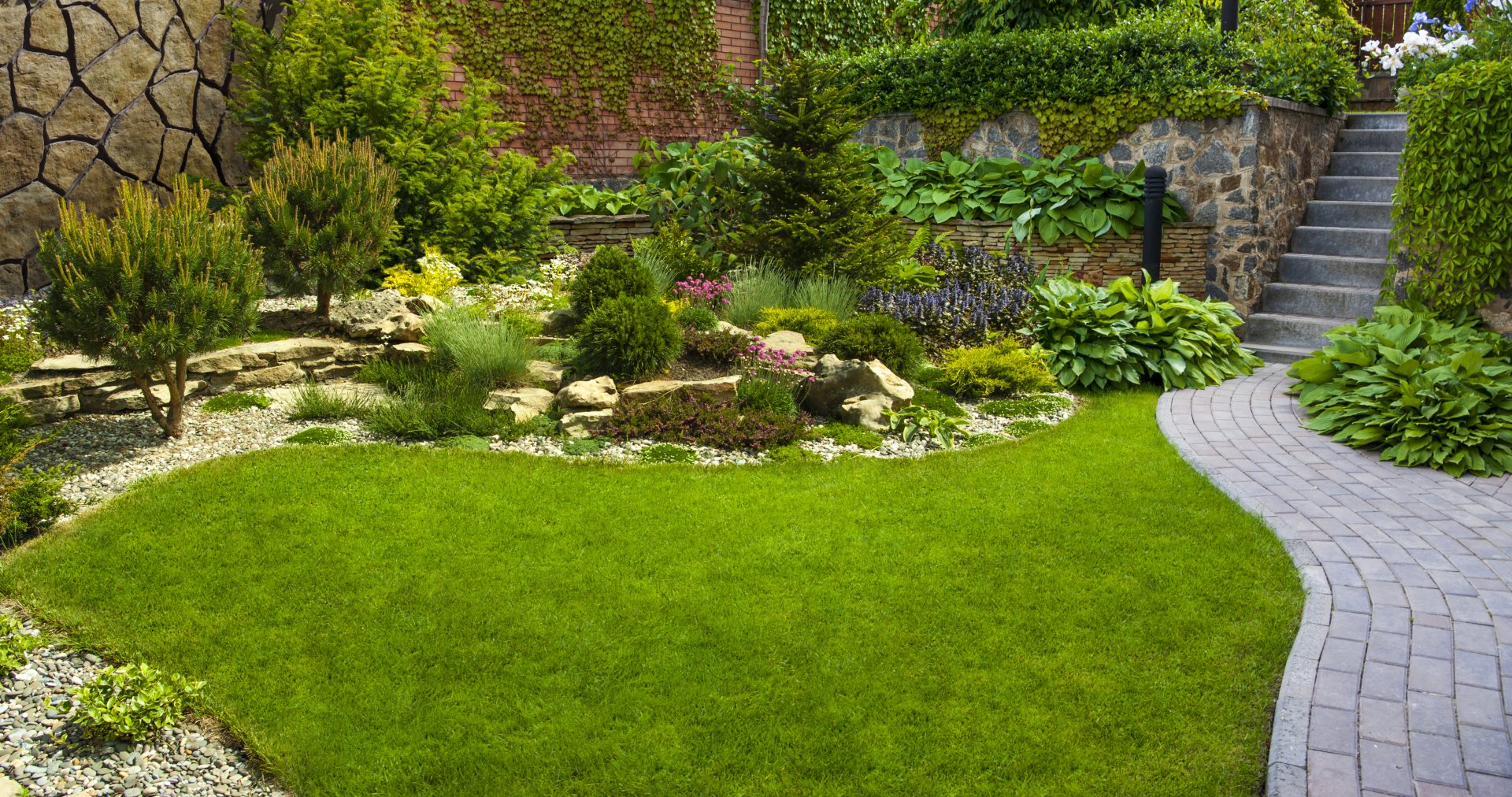
Strategic timing of plant installation maximizes establishment success while spreading renovation costs over multiple seasons. You can prioritize essential structural plants first, then add decorative elements in subsequent seasons.
Fall planting often provides better establishment conditions for many plant species, allowing root development during cool weather before summer heat stress. You get better survival rates and stronger plants the following growing season.
The best plants for garden renovations in the GTA can be installed during optimal planting windows that align with their specific establishment needs. Spring-planted annuals and tender perennials wait until after frost danger passes, while hardy plants can go in during fall.
Phased Installation Benefits
Spreading your garden renovation across multiple seasons allows you to observe how initial plantings perform before making additional choices. You can adjust your plant selection based on actual growing conditions rather than theoretical expectations.
Budget considerations often make phased installation necessary, and this approach actually benefits plant establishment by avoiding overwhelming maintenance requirements during the first season.
You can start with structural plants like trees and large shrubs, then add perennials and ground covers in subsequent seasons. This approach allows each plant group to establish itself without competition while you refine your design choices.
Your Garden Renovation Success Starts With Smart Plant Choices
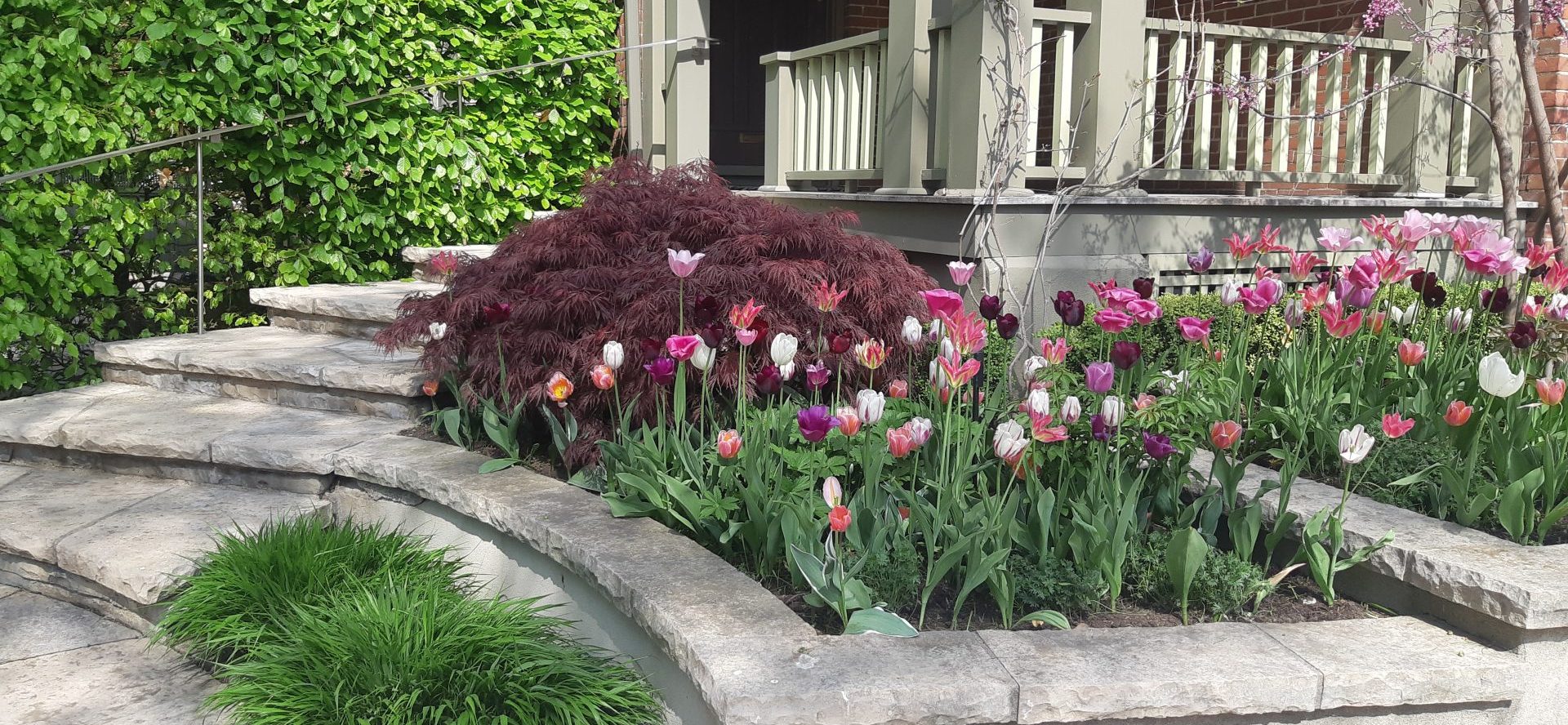
Selecting the right plants sets the foundation for a successful garden renovation that enhances your property while fitting your lifestyle and maintenance preferences. You create lasting value through informed plant choices suited to our Greater Toronto Area growing conditions.
The most successful garden renovations reflect careful planning that considers both immediate impact and long-term performance. You want plants that will thrive for years while providing the beauty and function you desire from your outdoor space.
Remember that great gardens develop over time as plants mature and establish. You’re creating a living landscape that will continue improving with each growing season when you choose appropriate plants and provide proper care.
Professional guidance can help you navigate plant selection complexities while ensuring your renovation achieves your vision efficiently and effectively. Schedule a consultation today!
Summary
The best plants for garden renovations in the GTA combine climate adaptability with aesthetic appeal and reasonable maintenance requirements. Top plants for GTA gardens include hardy perennials like Purple Coneflower and Black-eyed Susan, reliable shrubs such as Spirea and Ninebark, and native species that support local ecosystems. Success comes from understanding your renovation goals, considering seasonal interest, grouping plants by care needs, and planning installation timing for optimal establishment. Smart plant selection creates lasting value through improved property appeal and sustainable landscape performance.
Tags: