

Spring and Fall Garden Cleanup FAQ: What to Do
Seasonal garden cleanup often feels straightforward until you are standing in your garden, wondering what actually needs attention. You may worry about starting too early, removing too much, or leaving behind things that could cause issues later. These questions are common, and they are exactly why a clear spring and fall garden cleanup FAQ can be so helpful.
Without guidance, cleanup can turn into guesswork. You might tidy based on appearance rather than plant health, or follow habits that no longer serve your garden. Over time, this can lead to stressed plants, inconsistent growth, and extra work each season. A thoughtful spring and fall garden cleanup FAQ helps you understand not just what to do, but why timing and restraint matter.
The questions below reflect what many gardeners want to know before picking up tools. By working through this spring and fall garden cleanup FAQ, you gain clarity and confidence in how to care for your garden through seasonal change.
When to start spring garden cleanup?
In the GTA’s climate, it’s best to wait until daytime temperatures are consistently around 10°C (50°F). For many local gardeners, this means holding off until mid-to-late April. Starting too early can disturb your garden’s natural recovery cycle. If you begin cleanup while the ground is muddy or frost still lingers, you risk compacting the soil and damaging tender plants or beneficial pollinators emerging from winter hiding.
Instead, be patient and watch your garden for cues. When you notice the soil drying out, buds swelling on shrubs, and early bulbs poking through, it’s a sign that spring has truly arrived and you can begin the work. By waiting for the right moment, your spring garden cleanup efforts will be more effective and gentle.
Should you remove leaves from garden beds?
Not always. Leaves can actually help your garden: they act as natural mulch, conserving moisture and insulating the soil. Leaf litter also provides winter habitat for butterflies, bees, and other beneficial insects. On the other hand, a thick mat of soggy leaves can smother your plants and invite mould or pests.
The best approach is balanced. Remove most of the heavy, matted leaves (especially in spring or around delicate perennials), but leave a thin layer to break down and enrich the soil. In fall, instead of bagging every leaf, shred some or move them to a compost pile or an out-of-the-way area. This way, your beds stay neat while nutrients recycle back into your soil. Don’t treat leaves as pure waste. Use them wisely – keep a light layer for natural insulation, and clean up the excess so your plants can breathe.
What to leave in garden beds for pollinators?
Gardeners often ask what to leave in garden beds for pollinators during seasonal cleanup. The answer is that many beneficial insects spend winter in the very debris we might clear away. For example, native bees nest in hollow plant stems and butterfly pupae hide among leaf litter.
In fall, avoid cutting everything back. Leave some sturdy perennial stems standing, and let a layer of dry leaves remain as a protective winter blanket for pollinators. Come spring, wait until days are consistently warm (around 10°C) before starting your cleanup. Even then, trim back dead stems gradually rather than all at once, to give any sleeping insects time to escape. By timing your cleanup carefully, you keep the garden tidy while still caring for its tiny inhabitants.
Curious about whether it’s time to rethink your garden layout? Our post on Garden Renovation vs. Garden Maintenance breaks down the signs.
What does a spring garden cleanup checklist include?
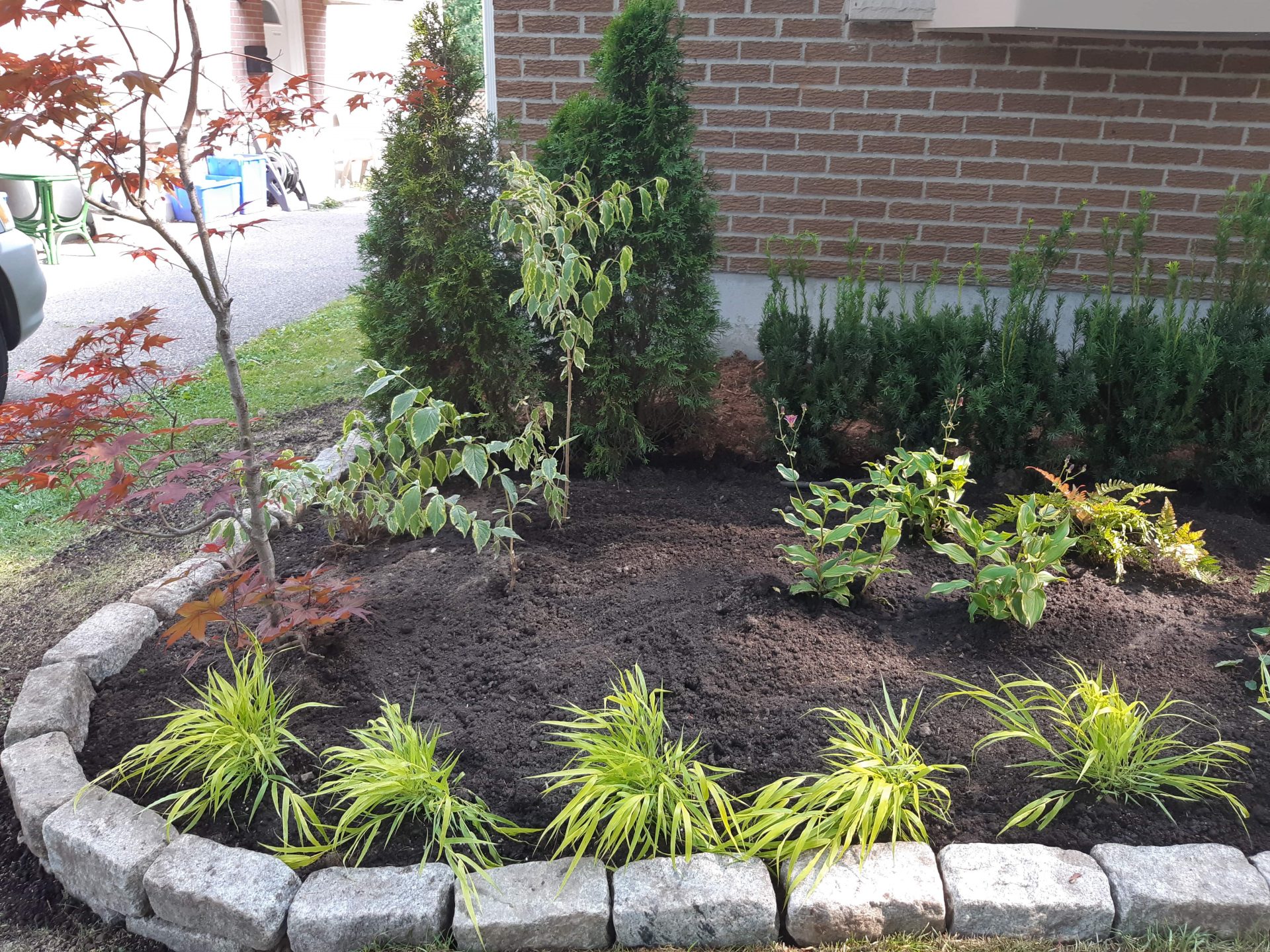
Facing spring can feel like a rush of chores, but having a plan makes it manageable. A well-planned spring garden cleanup checklist ensures you cover all vital tasks. Here are the key steps most professional gardeners follow:
- Clear winter debris: Gently remove dead leaves, twigs, and other debris, especially anything smothering your plants or lawn.
- Prune and cut back carefully: Trim dead or damaged branches from shrubs, and cut back last year’s perennial stems once new growth appears. Wait to prune spring-blooming shrubs until after they flower.
- Weed early: Catch those first weeds now, while the soil is moist and weeds are small. It’s much easier to pull out young weeds from flower beds before they establish deep roots.
- Edge and tidy beds: Recut the edges of your flower beds and borders with a neat cut or fresh edging material. This instantly gives a tidy look and prevents grass from creeping into the beds.
- Feed and mulch: Top-dress beds with compost to enrich the soil. Once the soil warms, add mulch to conserve moisture and suppress weeds (but keep it away from plant crowns).
By following this spring garden cleanup checklist, you set the stage for a vibrant growing season. Your garden will look refreshed and well-cared-for, reflecting the attention you’ve given to both appearance and plant health.
What does a fall garden cleanup checklist for perennials include?

As autumn arrives, gardens in the GTA start to slow down, and many common questions arise about preparing perennials for winter. A fall garden cleanup checklist for perennials focuses on preparing your plants and beds for the coming winter so they rebound strongly in spring. Here’s how to care for your perennials and garden beds during fall:
- Remove annuals and spent plants: Pull out any finished annual flowers and vegetables. These won’t return, and clearing them out prevents diseases or pests from overwintering on that dead plant material.
- Cut back selectively: Trim down perennials that have finished for the season, especially any diseased foliage. But don’t cut everything to the ground – leave some ornamental grasses and seed heads for winter interest and pollinators.
- Rake and recycle leaves: Rake fallen leaves off lawns and paths, and clear thick layers from your flower beds. Add those leaves to a compost bin or shred and spread them thinly around the base of perennials as natural mulch, a simple spring and fall garden cleanup strategy to enrich your soil.
- Final weeding: Do one last thorough weed removal in your flower beds. Weeds left now will drop seeds and create more work in spring, so pulling them now saves you time and trouble in the spring.
- Protect and mulch: For winter protection, apply mulch around the bases of perennials and shrubs after the first frost. This insulates the roots and prevents soil erosion, but keeps the mulch from touching the stems.
By cleaning up and protecting your garden in the fall, you tuck it in for winter and ensure an easier, healthier start when spring returns.
If you’re unsure whether your yard needs a tidy-up or a deeper refresh, check out our blog on garden renovation vs maintenance for a helpful comparison.
What is a garden cleanup checklist for flower beds?

Flower beds are often the pride of a garden and they deserve special attention during cleanups. A garden cleanup checklist for flower beds overlaps with the seasonal lists above but highlights a few extra steps for your flower borders. Here’s how to keep flower beds neat and healthy:
- Clean out dead growth: Remove any dead annuals and trim away withered flower heads or stems from perennials in the bed.
- Refresh the soil: Loosen the topsoil to improve airflow, and mix in some compost to rejuvenate it.
- Tackle bed-specific weeds: Pull out any weeds that have sprouted among your flowers. A thin layer of mulch will help prevent new weeds from growing.
- Neaten the edges: Edge the beds for a crisp, tidy look that keeps grass from creeping in.
By following this garden cleanup checklist for flower beds, you maintain an elegant and orderly canvas for your flowers to shine. Every season, your beds will be clean, nourished, and ready to burst into spring bloom or settle in for winter – our spring and fall garden cleanup FAQ’s aim.
Want a clear plan before tackling your flower beds? Check out our Garden Renovation vs. Garden Maintenance blog for more guidance.
Which plants are better left standing until spring?
Ornamental grasses, sturdy perennials, and plants with seed heads are often better left standing. These plants protect their roots from cold and add winter structure. They also provide food and shelter for wildlife.
How do you tidy bed edges without stressing plants?
A spring garden cleanup checklist for flower beds includes removing winter debris, cutting back dead growth, and gently loosening the top layer of soil. Early weed removal and light edging help restore clean lines. Finish by refreshing mulch while keeping plant crowns exposed.
How do you refresh mulch without burying stems and crowns?
Tidy bed edges by cutting clean lines without digging deeply near plant roots. Work when soil is slightly moist to reduce disturbance. Gentle edging maintains definition while keeping plants stable.
How do I know I’m watering my gardens or planters properly?
You are watering properly when soil stays moist below the surface without remaining soggy. Deep, less frequent watering encourages stronger roots. Planters may need more frequent checks but should always drain freely.
How do you handle diseased plant material during cleanup?
Diseased plant material should be removed completely from the garden. Do not compost it, as this can spread problems. Clean tools between cuts to avoid transferring disease.
What’s the difference between a quick tidy and a full cleanup?
A quick tidy focuses on visible debris and light maintenance. A full cleanup includes soil care, pruning, edging, and long-term plant health considerations. Choosing the right level depends on the season and your garden’s condition.
How do you reduce weeds after cleanup?
Reducing weeds after cleanup starts with limiting exposed soil. Applying mulch and maintaining healthy plant spacing helps block weed growth. Early monitoring prevents small issues from spreading.
How do you refresh mulch without burying stems and crowns?
Refresh mulch by spreading it evenly and keeping it pulled back from stems and crowns. This allows air circulation and prevents rot. Thin layers work better than heavy coverage.
How do seasonal planters fit into spring and fall routines?
In spring, seasonal planters benefit from fresh soil and drainage checks. In fall, remove spent plants and prepare containers for cooler conditions. Adjusting planters seasonally keeps them healthy and attractive.
What should you do if shrubs feel out of control after a season?
Start by assessing the shrub’s growth pattern before cutting. Light shaping is often enough to restore balance. Heavy pruning should match the plant’s natural growth cycle.
How do you keep beds looking consistent between visits?
Consistency comes from regular observation and small adjustments. Removing early weeds and monitoring mulch levels helps maintain balance. Frequent light care reduces the need for major cleanup.
When does cleanup point to renovation instead of maintenance?
Cleanup points to renovation when the same issues return despite regular care. Beds may lose structure quickly or plants may struggle year after year. In these cases, a deeper reset may be needed.

Caring for a garden is an ongoing journey through the seasons. A strong seasonal routine keeps your garden looking its best and growing vigorously. We hope this Spring and Fall Garden Cleanup FAQ Guide has made these tasks feel more approachable. By now, it’s clear how much value there is in doing the right chores at the right time, from protecting your roses and peonies as winter approaches to clearing the way for tulips and new grass in spring.
Yorkshire Garden Services Ltd. is dedicated to supporting you in these seasonal transitions. Our company combines an innovative, eco-conscious approach with old-fashioned care to ensure your property gets exactly what it needs, when it needs it. You can trust our team to treat your garden as if it were our own – with respect, attentiveness, and expertise. We’ll handle the heavy lifting, the meticulous cleanup, and the proper timing, so you can simply enjoy a tidy garden and the promise of blooms to come.
Let us partner with you to keep your landscape healthy and beautiful throughout the year. If you’re feeling overwhelmed or simply want the best results without the stress, our experts are here to help with both spring rejuvenation and fall preparation. For professional support with your seasonal garden care, turn to Yorkshire Garden Services Ltd. Schedule a consultation with us today and eliminate the guesswork from seasonal garden maintenance. We’ll make sure your garden is ready to shine in every season!
Summary
In summary, spring and fall garden cleanup comes down to timing and thoroughness. Seasonal cleanups involve clearing debris, pruning appropriately, and prepping your garden at the start of spring and the end of fall. Key takeaways include knowing when to start spring garden cleanup (wait until early spring warmth arrives), doing essential tasks in each season (like mulching and bulb planting in fall, or soil preparation and edging in spring), and not skipping either cleanup to keep your garden healthy. By following these practices, or enlisting our help, you ensure your garden remains beautiful, well-maintained, and ready for whatever Mother Nature brings next.
Tags: